


Every September, Barcelona transforms into one giant open-air stage. Historic squares fill with human towers, giant papier-mâché figures parade through medieval streets, music echoes across the city until late at night, and spectacular fireworks light up the Mediterranean sky.
Welcome to La Mercè, Barcelona’s biggest and most beloved annual festival.
Whether you’re visiting Barcelona for the first time or returning to experience the city from a different perspective, La Mercè offers a unique opportunity to discover Catalan culture beyond the famous landmarks. For five unforgettable days, locals and visitors celebrate together with hundreds of free concerts, traditional performances, family activities, art installations and cultural events spread across the city.
But 2026 is unlike any previous edition.
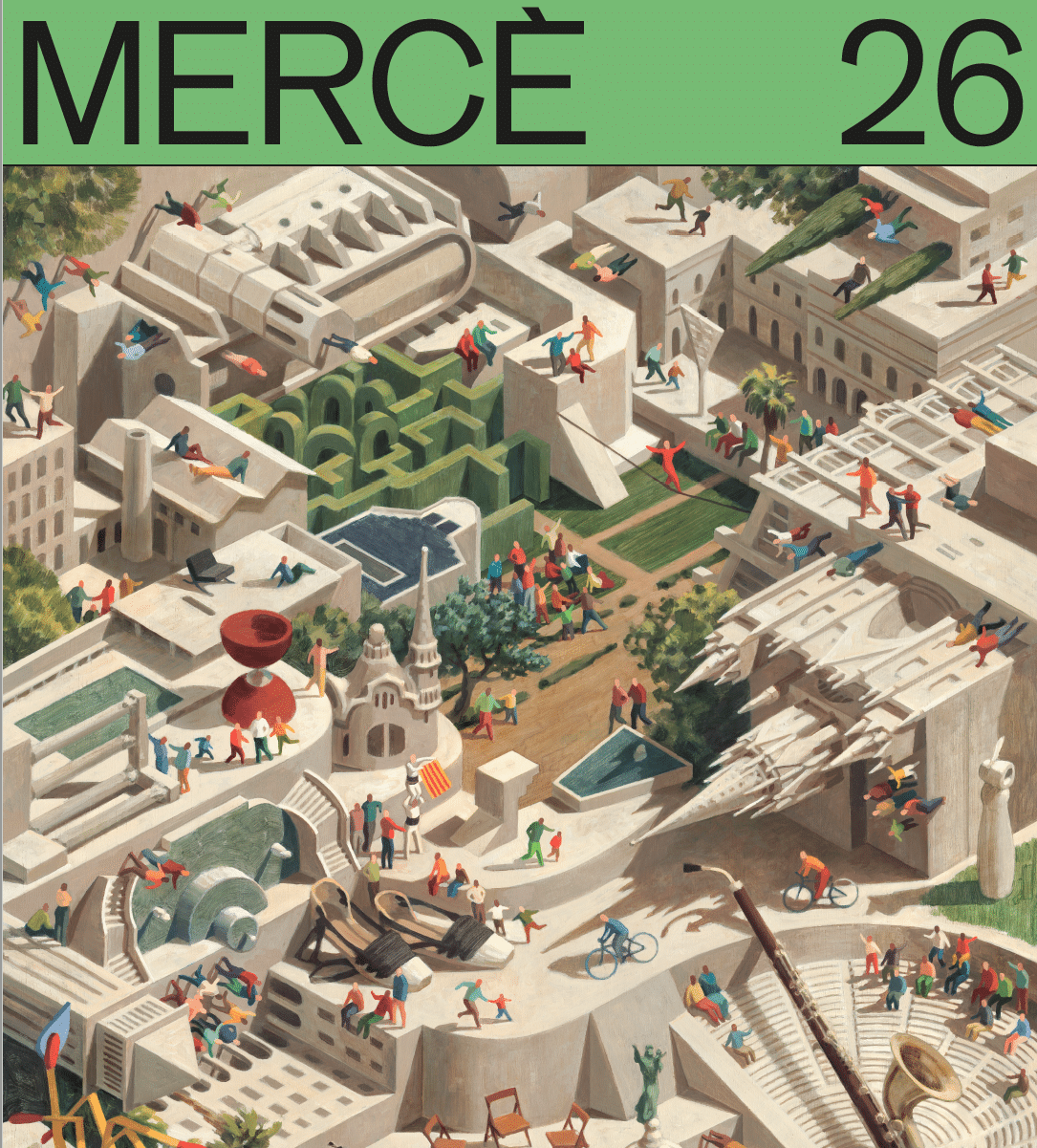
This year’s festival takes place during the Gaudí Year, which commemorates the 100th anniversary of Antoni Gaudí’s death. Barcelona is also celebrating its designation as the World Capital of Architecture 2026, making this one of the most exciting years to visit the city. Expect special performances inspired by Gaudí, new festival venues, expanded programming across all ten districts and countless opportunities to experience Barcelona at its most vibrant.
In this complete guide, you’ll find everything you need to know before attending La Mercè 2026, including festival dates, the most important traditions, the best places to experience the celebrations, practical travel tips and advice to help you make the most of your visit.
When Is La Mercè Festival 2026?
La Mercè Festival 2026 will take place from Wednesday, September 23 through Sunday, September 27, 2026.
The festival celebrates Our Lady of Mercy (Mare de Déu de la Mercè), the patron saint of Barcelona, whose feast day falls on September 24. That day is an official public holiday within the city, which means many local businesses close while the streets become even livelier with cultural activities, concerts and traditional celebrations.
Although events begin several days before September 24, the busiest period usually runs from Thursday evening through the weekend. During these days, Barcelona hosts hundreds of free events across dozens of locations, attracting both local residents and visitors from around the world.
If your schedule allows, staying for at least three days will give you the chance to experience both the iconic traditions and the city’s festive atmosphere after sunset.
What Is La Mercè?
La Mercè is much more than a city festival. It is Barcelona’s biggest civic celebration and one of the most important cultural festivals in Catalonia, bringing together centuries-old traditions with contemporary music, performing arts and modern creativity.
The festival originated in the late 19th century, although devotion to the Virgin of Mercy dates back much further. Over the decades, La Mercè has evolved into an extraordinary celebration of Barcelona’s identity, where history and innovation coexist naturally.
One of the most remarkable aspects of La Mercè is that nearly every activity is free to attend. Instead of taking place inside stadiums or enclosed venues, performances unfold throughout the city’s streets, squares, parks and waterfront, inviting everyone to become part of the celebration.
For visitors, this offers a rare opportunity to experience authentic local traditions rather than events created specifically for tourists. Families, children, students, retirees and lifelong Barcelonians all celebrate together, creating an atmosphere that is welcoming, lively and unmistakably local.
Why La Mercè 2026 Is a Once-in-a-Lifetime Edition
Every edition of La Mercè has its own personality, but 2026 promises to be one of the most memorable in recent history. Several exceptional events come together this year, making Barcelona an even more exciting destination for culture lovers.
The Gaudí Year
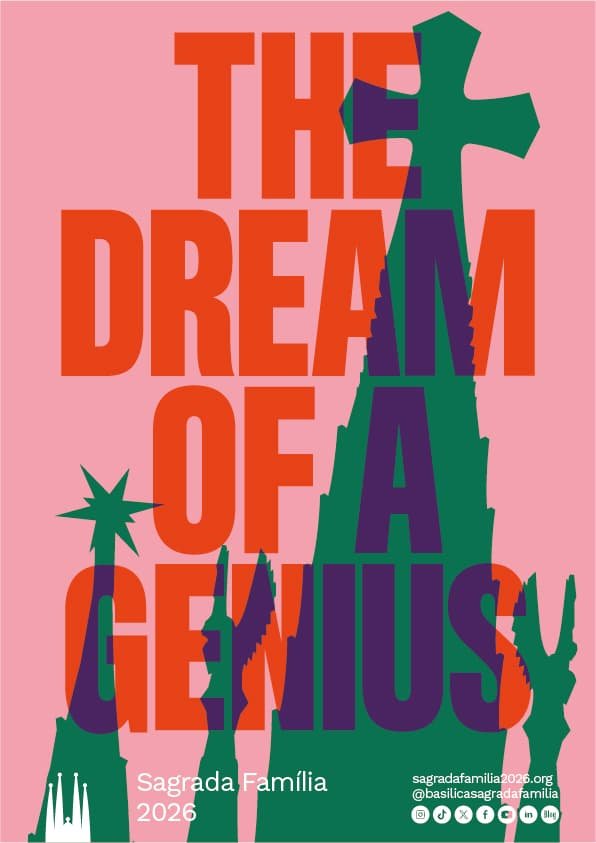
The year 2026 marks the 100th anniversary of the death of Antoni Gaudí, Barcelona’s most celebrated architect and one of the most influential creative minds in history.
Throughout the year, the city is hosting exhibitions, cultural events, concerts and artistic performances inspired by Gaudí’s extraordinary legacy. During La Mercè, visitors can expect special programming connected to this historic commemoration, including a unique performance in Park Güell that pays tribute to his life and work.
For anyone interested in architecture, design or Catalan culture, this creates an exceptional opportunity to experience Barcelona in a way that may never be repeated.
** Witness the Most Historic Day in the Sagrada Família’s Recent History
>> Read our firsthand account of this historic day
Barcelona: World Capital of Architecture 2026
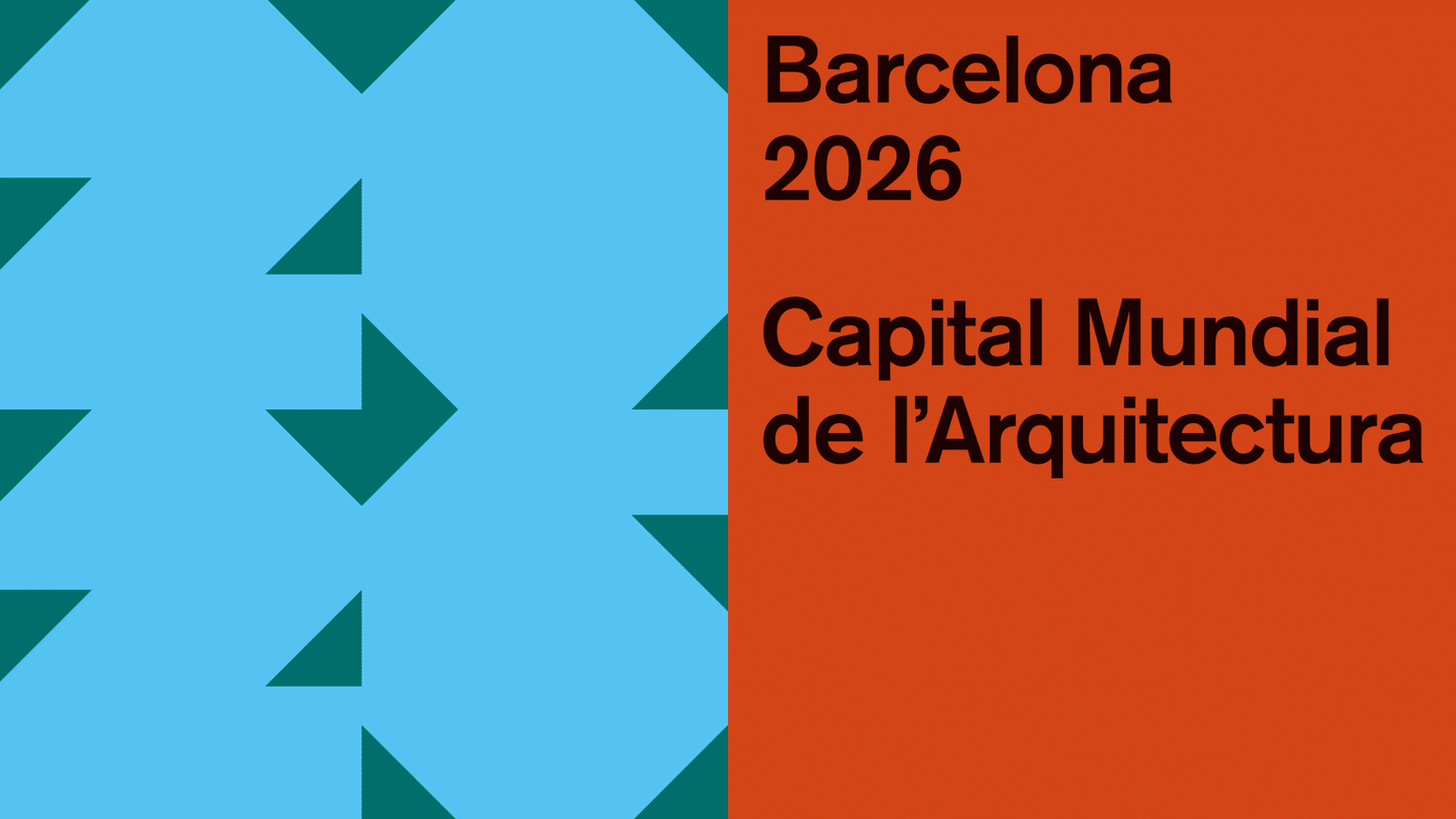
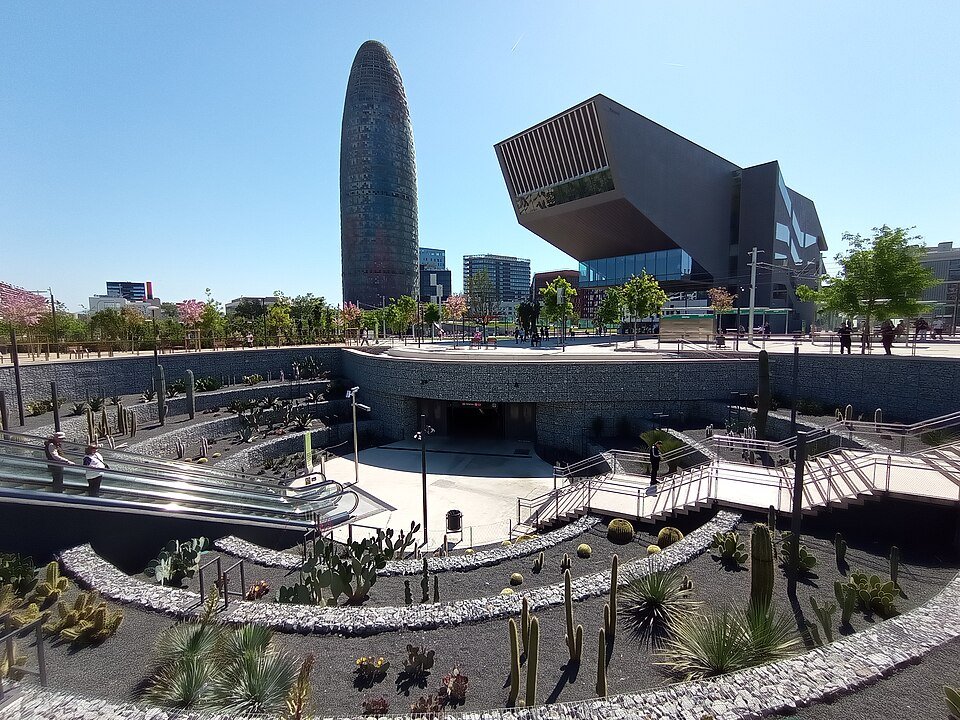
Adding even greater significance to this year’s celebrations, Barcelona has been named the World Capital of Architecture 2026.
Across the city, architecture takes center stage through exhibitions, conferences, public art and cultural initiatives that complement the festival program.
This international recognition perfectly matches the spirit of La Mercè, where public spaces become living stages and the city’s architecture provides the backdrop for every celebration.
The Festival Reaches Every District
One of the biggest innovations for 2026 is the expansion of festival activities across all ten districts of Barcelona.
While historic locations such as Plaça Sant Jaume, the Gothic Quarter and Ciutadella Park remain central to the festivities, visitors will also discover new cultural spaces and neighborhood celebrations throughout the city.
This broader distribution helps reduce overcrowding while encouraging visitors to explore areas beyond the traditional tourist routes.
New Festival Venues
This year also introduces Plaça de les Glòries as a major festival venue. Following its extensive urban transformation, Glòries has become one of Barcelona’s newest public spaces and will host concerts and cultural events during La Mercè, giving visitors another reason to explore this rapidly evolving neighborhood.
Meanwhile, due to ongoing renovation works on Montjuïc, the iconic Piromusical—the spectacular combination of fireworks, music and light that traditionally closes the festival—will move to Bogatell Beach, offering an entirely different setting beside the Mediterranean.
For many visitors, this new waterfront location may become one of the highlights of La Mercè 2026.
Shanghai: The Guest City
Each year, La Mercè invites a different city from around the world to participate in the celebrations through artistic collaborations and cultural exchanges.
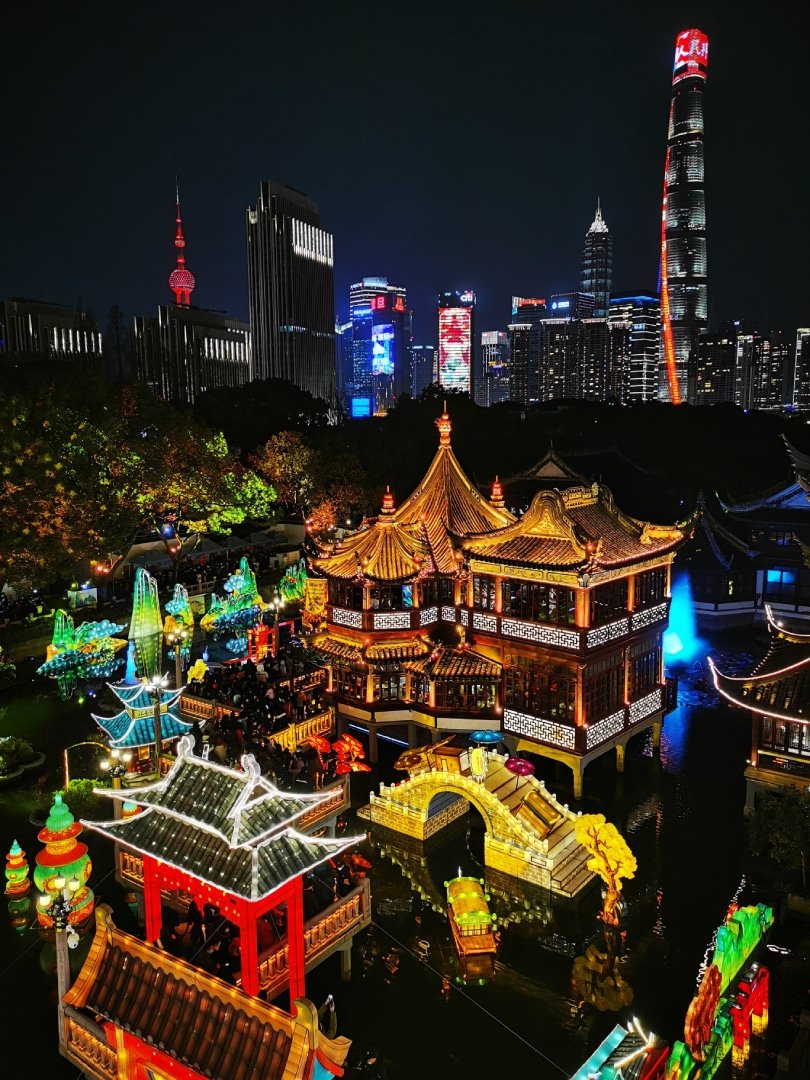
In 2026, the guest city is Shanghai, bringing contemporary performances, artistic projects and cultural experiences that create a fascinating dialogue between Barcelona and one of Asia’s most dynamic cultural capitals.
This international dimension has become one of La Mercè’s defining characteristics, enriching the festival while preserving its strong Catalan identity.
By combining centuries-old traditions with contemporary creativity, Gaudí’s centenary, the World Capital of Architecture celebrations and exciting new venues across the city, La Mercè 2026 promises to be one of the most extraordinary editions the festival has ever seen.
And the best part? Almost everything is completely free to enjoy.
5. Highlights of La Mercè 2025 ( According to Official Info )
One of the reasons La Mercè feels so special is that it isn’t just a music festival or a series of street performances. It’s a celebration of Barcelona’s history, identity and community, where traditions that are centuries old continue to bring thousands of people together every year.
If you’re visiting during La Mercè 2026, these are the experiences you shouldn’t miss.
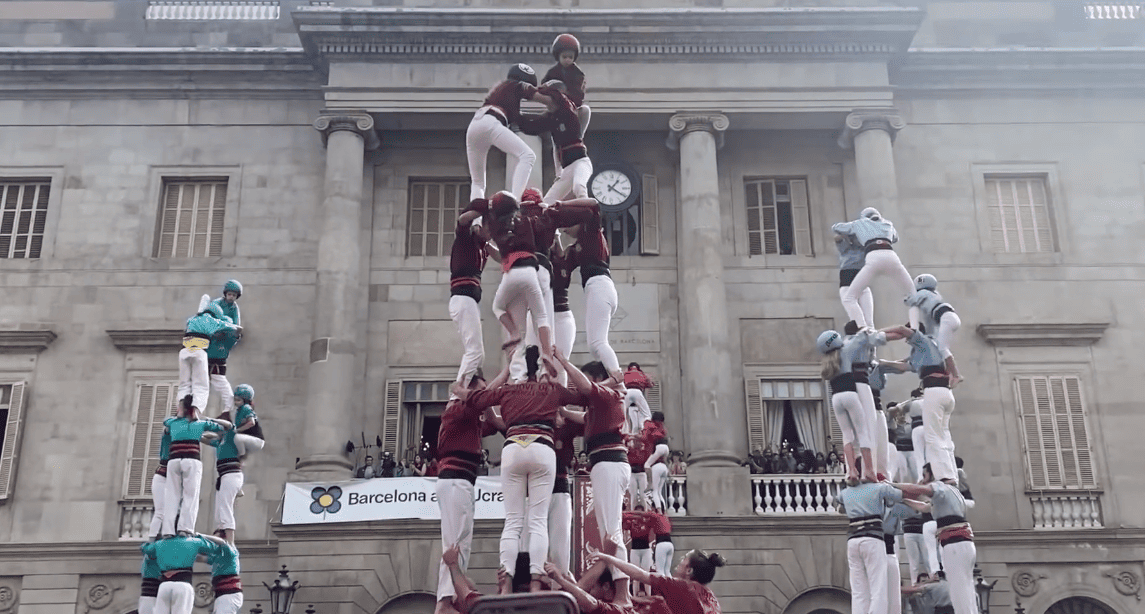
Castellers: Building Human Towers That Defy Gravity
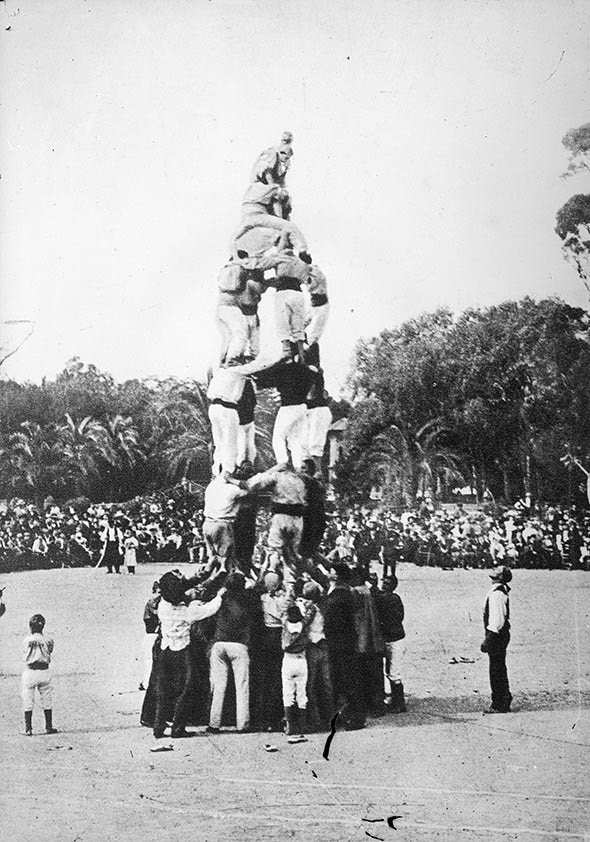
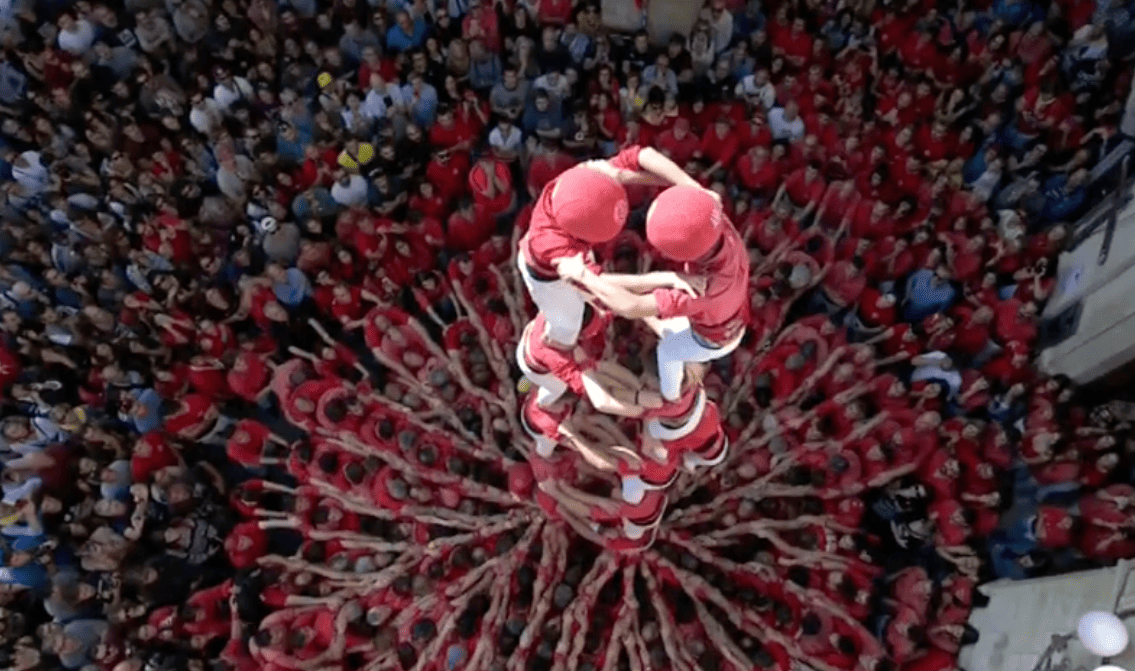
Perhaps the most famous image of Catalan culture is the castellers, teams of men, women and children who work together to build astonishing human towers that can reach up to ten levels high.
At first glance, the spectacle seems almost impossible. Dozens of people form a strong base while climbers carefully ascend until the smallest member of the team—often a young child wearing a protective helmet—reaches the top and raises a hand to signal that the tower has been successfully completed.
But castellers are about much more than balance and strength.
They represent some of Catalonia’s most important values: teamwork, trust, perseverance and solidarity. Every participant has a role, whether supporting the base or climbing to the highest level.
Watching a human tower rise in front of Barcelona’s Gothic buildings is one of those unforgettable travel moments that photographs simply cannot capture.
Tip: Arrive early if you want a good viewing spot in Plaça Sant Jaume, where many of the festival’s most important casteller performances take place.
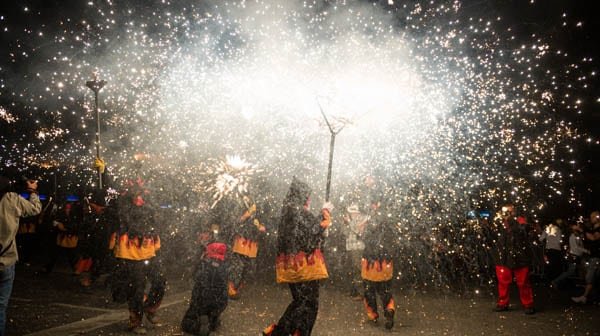
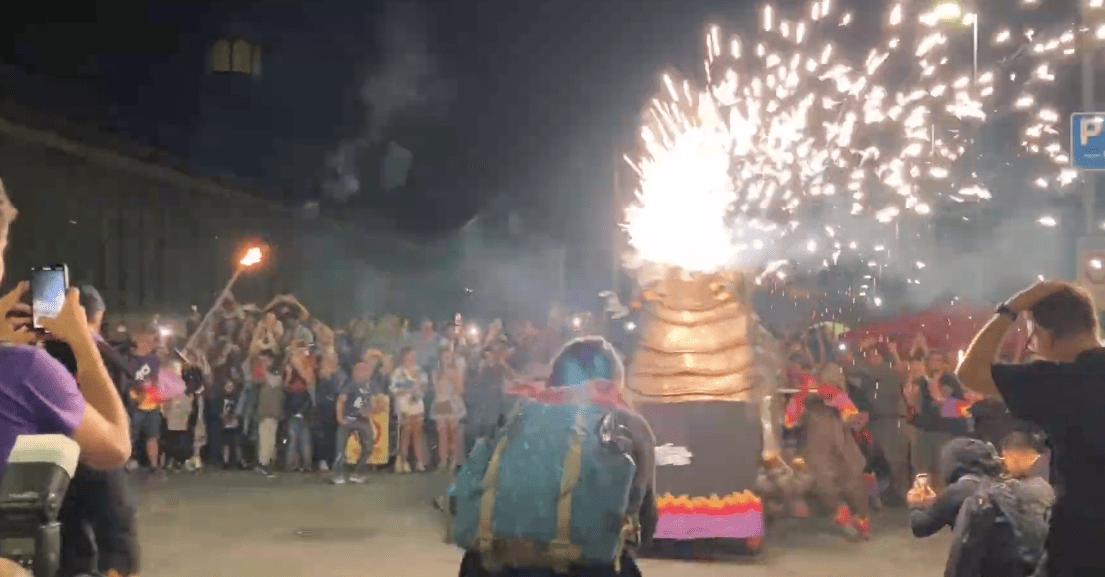
Correfoc: Barcelona’s Wildest Night
If there’s one event that surprises first-time visitors, it’s the Correfoc, literally meaning “Fire Run.”
Imagine medieval streets filled with drummers, mythical creatures and performers dressed as devils, all dancing beneath showers of sparks while thousands of spectators cheer them on.
That’s Correfoc.
The tradition symbolizes the eternal struggle between good and evil, but today it has become one of the festival’s most thrilling celebrations.
As the procession advances through the streets, dragons, demons and fantastic beasts spin fireworks overhead, creating an unforgettable combination of light, smoke, music and excitement.
The atmosphere is energetic, loud and unlike anything most visitors have ever experienced.
* * Should You Join the Correfoc?
Absolutely—but with a little preparation. Locals often wear:
> Long sleeves
> Long pants
> Closed shoes
> A cotton hat or scarf
Synthetic fabrics are best avoided, as small sparks can occasionally fall on spectators. If you prefer simply watching, stand along the sides of the route rather than in the middle of the action.
Families with young children may enjoy the daytime children’s version, known as the Correfoc Infantil, which offers a more relaxed introduction to this uniquely Catalan tradition.
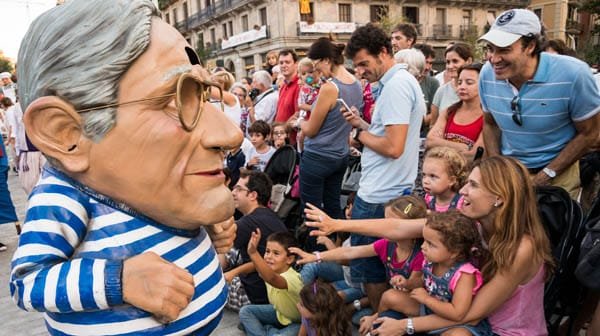
Gegants and Capgrossos: Giants That Bring History to Life
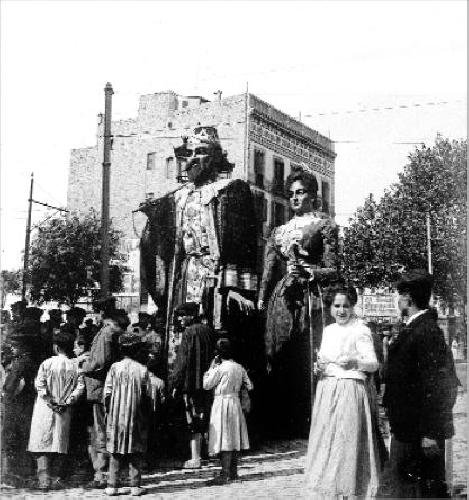
One of the most charming moments of La Mercè is the appearance of the Gegants (Giants) and Capgrossos (Big Heads).
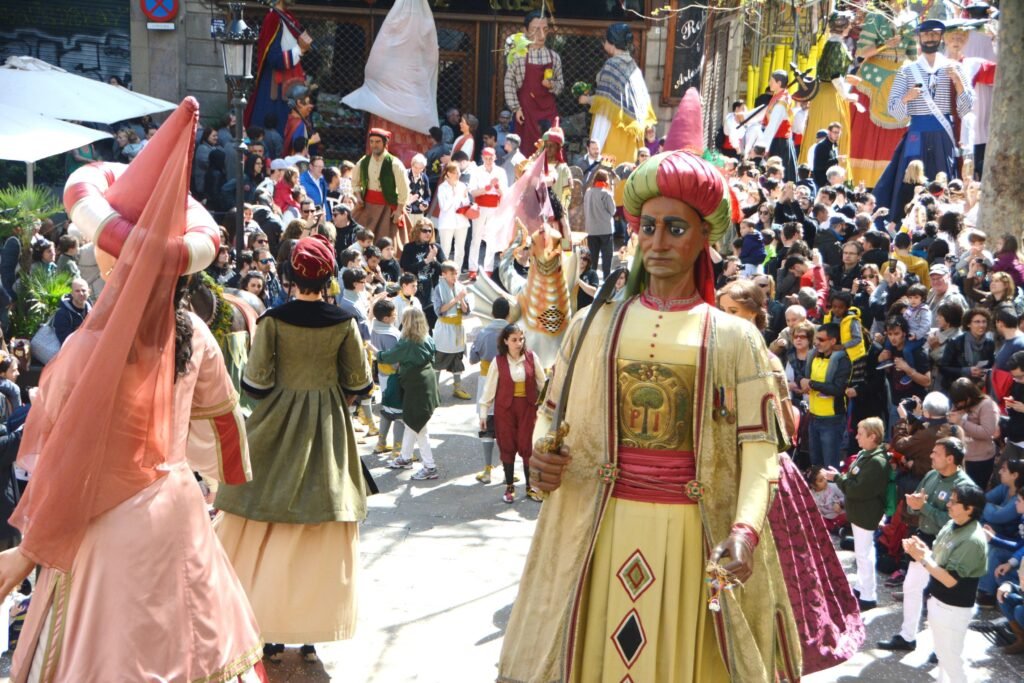
These enormous handcrafted figures, some standing more than four meters (13 feet) tall, represent kings, queens, nobles, historical figures and legendary characters connected to Barcelona’s history.
Each giant is carried by a hidden performer who dances gracefully through the streets accompanied by traditional musicians playing drums and gralles, a distinctive Catalan wind instrument.
Alongside them march the playful Capgrossos, performers wearing oversized papier-mâché heads who interact with spectators, especially children, making them one of the festival’s most family-friendly attractions.
For many Barcelonians, seeing the city’s historic giants parade through the Gothic Quarter is one of the emotional highlights of La Mercè.
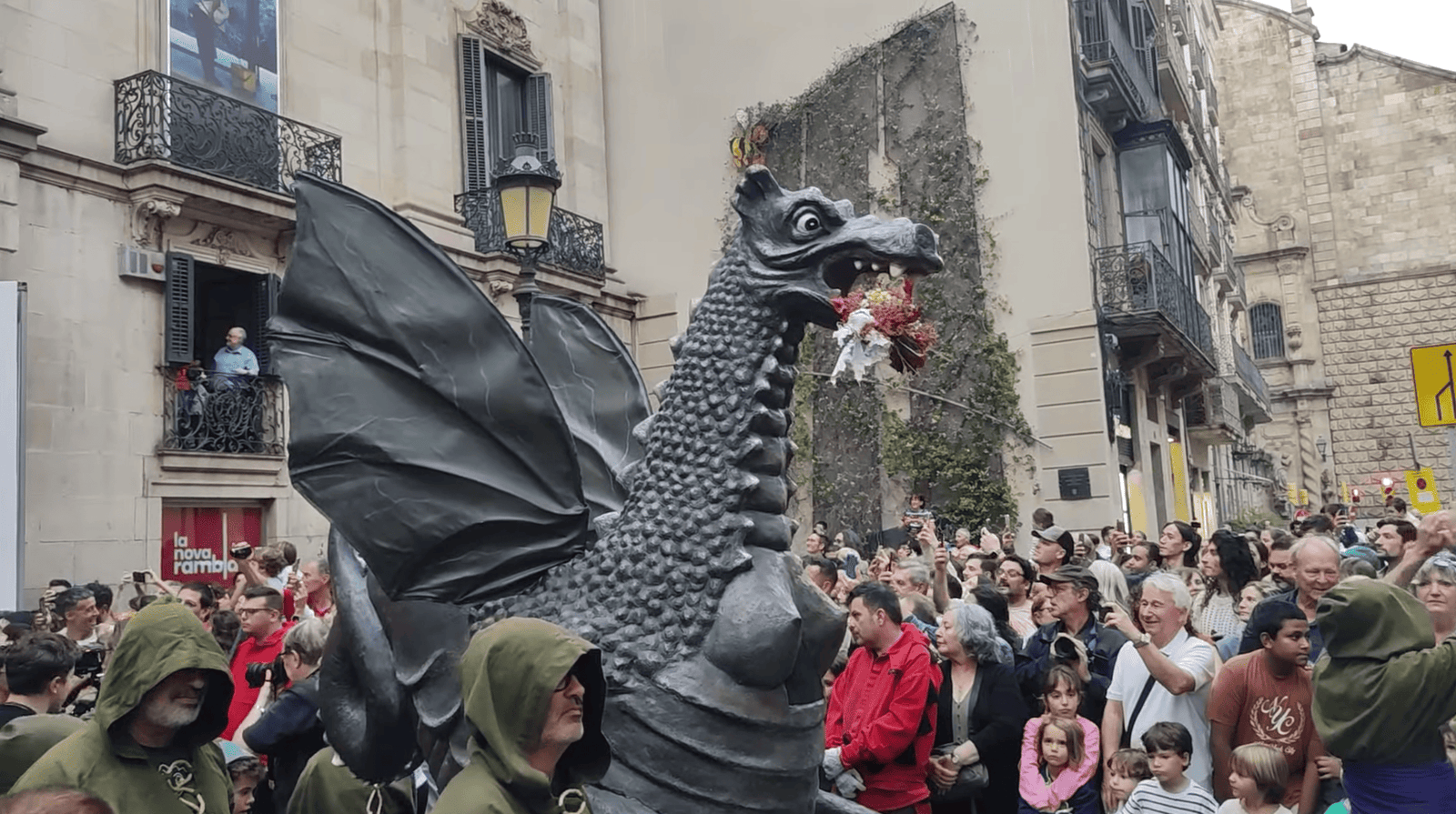
The Bestiary: Dragons, Eagles and Legendary Creatures
Catalan folklore is filled with fantastic creatures, and during La Mercè they all seem to come alive.
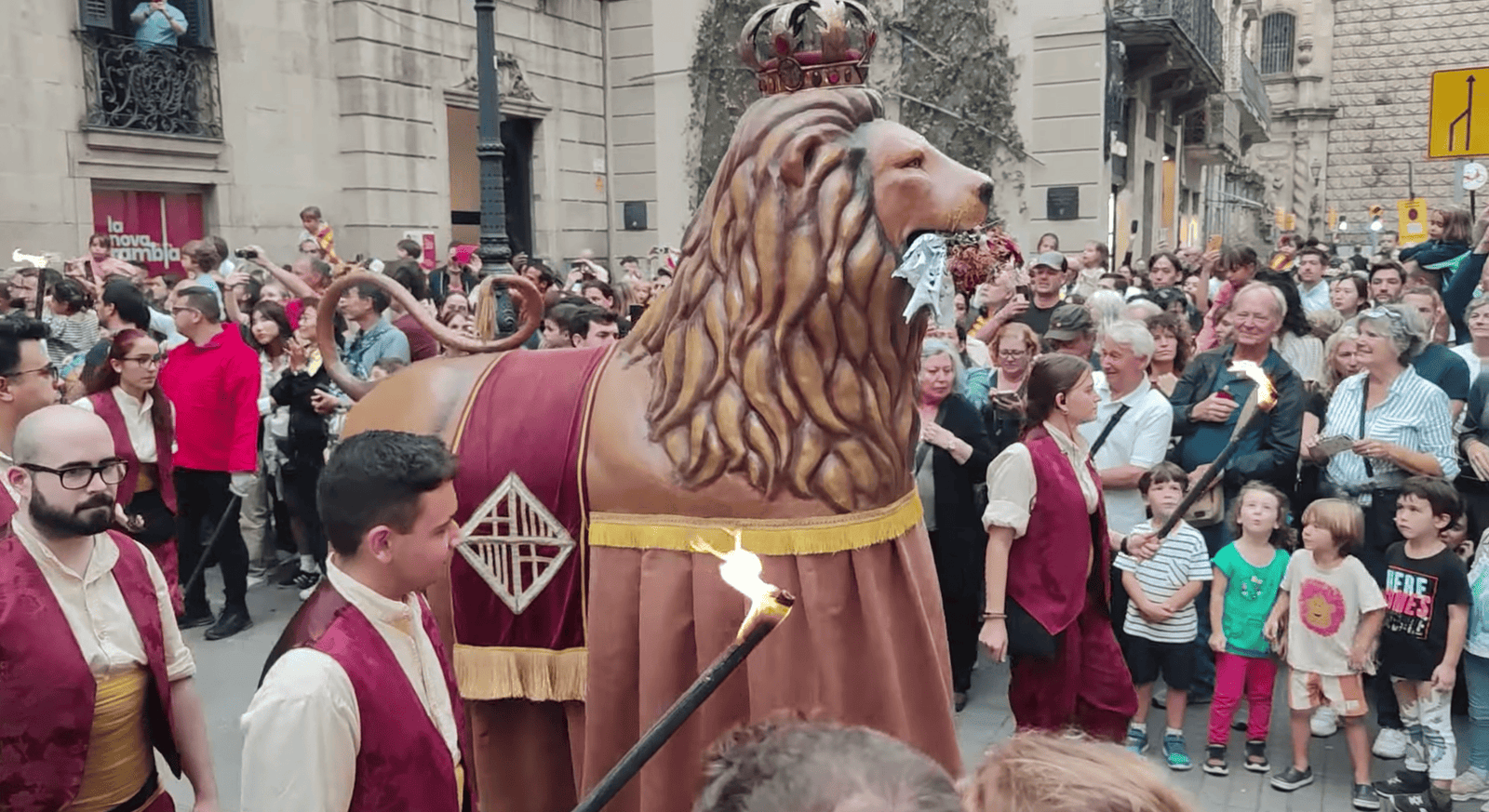
The Bestiari (Festival Bestiary) includes dragons, eagles, lions, oxen, mulasses and other mythical animals that have represented different neighborhoods and institutions for centuries.
Each figure has its own history, personality and symbolism.
Some breathe fire during the Correfoc, while others participate in solemn ceremonial processions accompanied by traditional music.
Even visitors who know little about Catalan traditions quickly discover that these extraordinary creatures are much more than decorative figures—they’re living symbols of Barcelona’s cultural heritage.
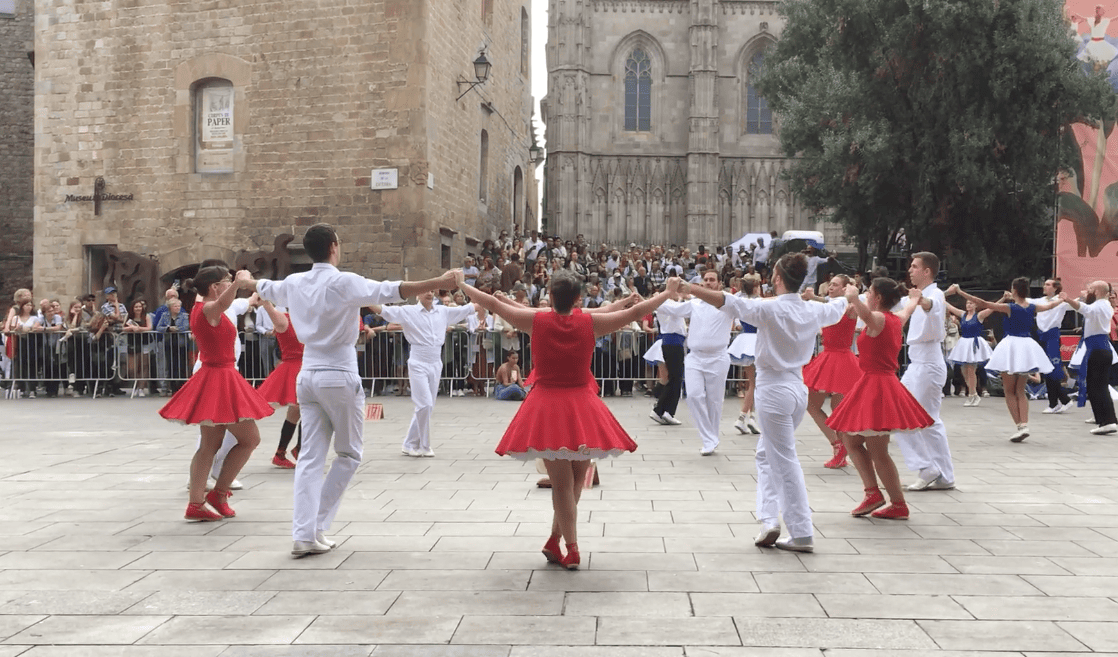
Sardanes: The Dance That Unites Everyone
At first, it may look simple. People gather in circles, gently holding hands while performing small synchronized steps to the sound of a live cobla orchestra. But the Sardana is much more than a dance.
Often described as the national dance of Catalonia, it symbolizes unity, equality and community. Anyone can join, regardless of age or experience, and visitors are often warmly welcomed if they wish to participate.
Watching dozens of circles dancing together in Barcelona’s historic squares offers a quieter, more intimate side of La Mercè—one that beautifully contrasts with the excitement of the Correfoc or the festival concerts.
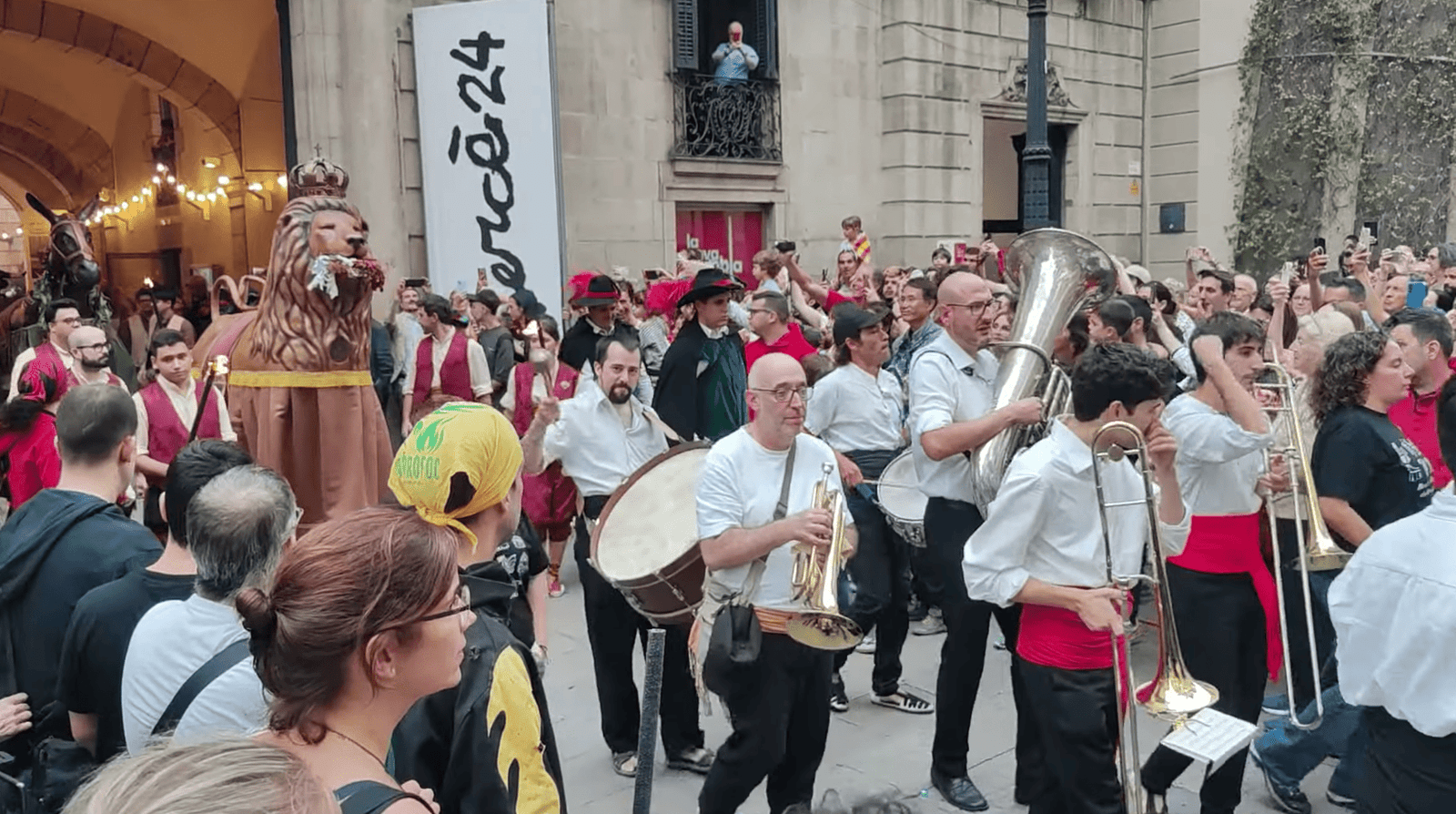
The Opening Parade (Seguici Popular)
La Mercè officially begins with one of its oldest traditions: the Seguici Popular, or Popular Procession.
This colorful parade brings together many of the festival’s symbolic characters, including giants, dragons, eagles, musicians, traditional dancers and representatives of Barcelona’s historic institutions.
Rather than a single performance, it’s a moving celebration of the city’s identity. The procession winds its way through the historic center, connecting centuries of tradition with today’s vibrant city.
For photographers, it’s one of the best opportunities to capture the incredible costumes, craftsmanship and atmosphere that make La Mercè so unique.
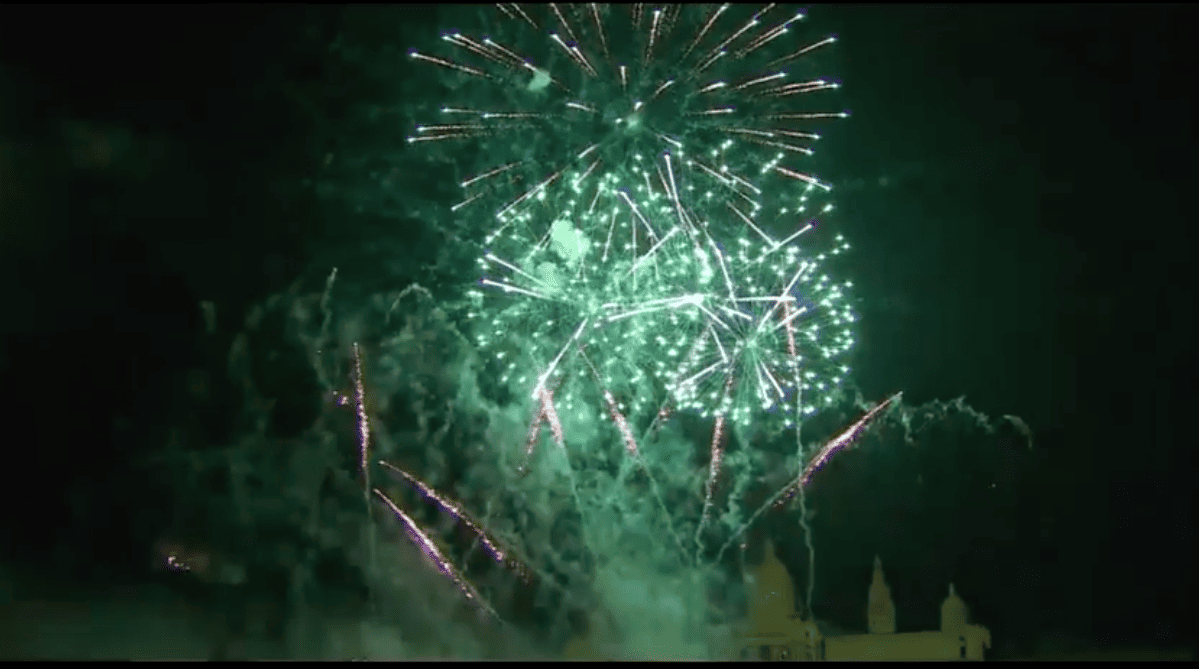
The Piromusical: A Spectacular Grand Finale
No celebration deserves a more memorable ending than La Mercè.
The festival traditionally concludes with the Piromusical, an extraordinary multimedia show combining fireworks, music, light and synchronized visual effects.
For 2026, this iconic event moves to Bogatell Beach, creating a completely new setting where fireworks will illuminate both the Barcelona skyline and the Mediterranean Sea.
Thousands of spectators are expected to gather along the waterfront for this emotional farewell to five days of celebration.
Whether you’re visiting Barcelona for the first time or have attended previous editions of La Mercè, the Piromusical remains one of those experiences you’ll remember long after your trip has ended.
More Than Entertainment
What makes these traditions so remarkable isn’t simply their visual beauty.
They’ve been passed down through generations, preserved by neighborhood associations, cultural organizations and thousands of volunteers who dedicate countless hours throughout the year to keeping Barcelona’s heritage alive.
For visitors, attending La Mercè isn’t just about watching performances. It’s about witnessing a city celebrate its identity with genuine pride—and being warmly invited to become part of that celebration.
Free Things to Do During La Mercè 2026
One of the best things about La Mercè is that you don’t need a ticket to enjoy it.
Barcelona’s biggest festival takes over public squares, parks, streets and waterfront spaces, with a huge program of free cultural activities. You can move from a traditional procession in the morning to a contemporary performance in the afternoon and finish the day with live music under the stars. The exact program changes from year to year, but La Mercè traditionally brings together several major cultural programs.
Mercè Arts de Carrer (MAC)
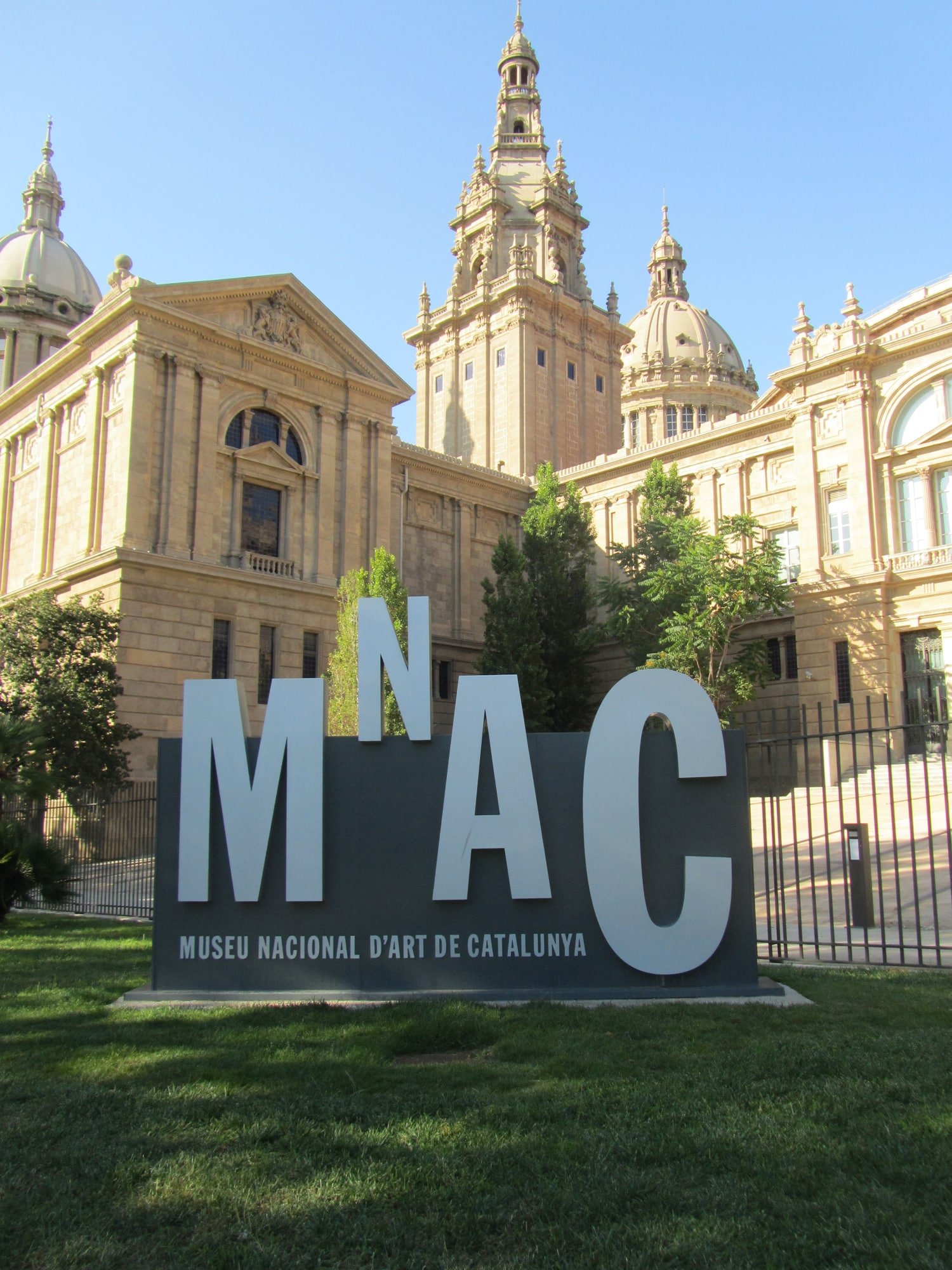
Mercè Arts de Carrer, usually known as MAC, is the festival’s street arts program.
Instead of watching a performance inside a traditional theater, you’ll find circus, dance, theater, acrobatics and contemporary performances taking place outdoors.
This is one of the most enjoyable parts of La Mercè for visitors because you don’t necessarily need to plan your entire day around it. You can simply explore the city and discover performances along the way.
For 2026, the program extends across several major outdoor spaces, including areas around the city and the Parc del Fòrum.
If you are traveling with children, MAC is particularly worth exploring. Many performances are visual and accessible even if you don’t speak Catalan or Spanish.
La Mercè Concerts: Live Music Across Barcelona
Music is another major part of the festival.
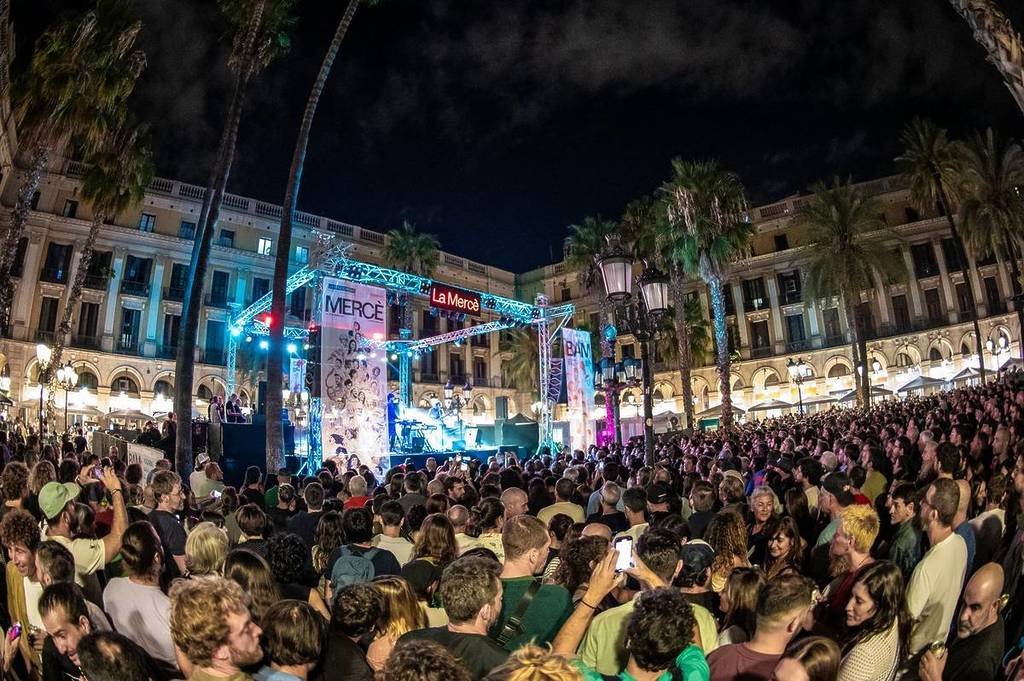
During La Mercè, Barcelona becomes one enormous open-air concert venue, with performances taking place across different stages and neighborhoods.
The program traditionally includes everything from Catalan and Spanish artists to international performers and emerging musicians.
The 2026 lineup already includes artists such as Nacho Vegas, Els Amics de les Arts, Els Catarres, Svetlana, Maria Jaume, Sexenni, Buhos and La Pegatina, among many others.
And because the concerts are part of the public festival program, most are free.
Rather than trying to list every artist in this main guide, we’ve created a separate resource where you can check the concert schedule by day, artist and venue.
→ Coming soon: La Mercè 2026 Concert Schedule — Artists, Venues & Daily Program
This will be especially useful if music is one of your main reasons for attending the festival.
Free Museum Days and Open Doors
La Mercè isn’t only about outdoor celebrations.
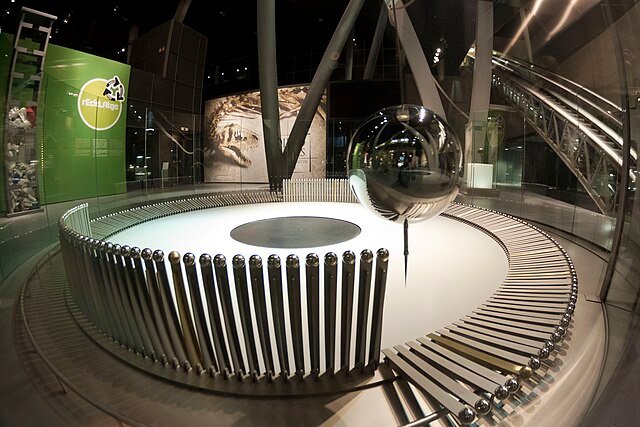
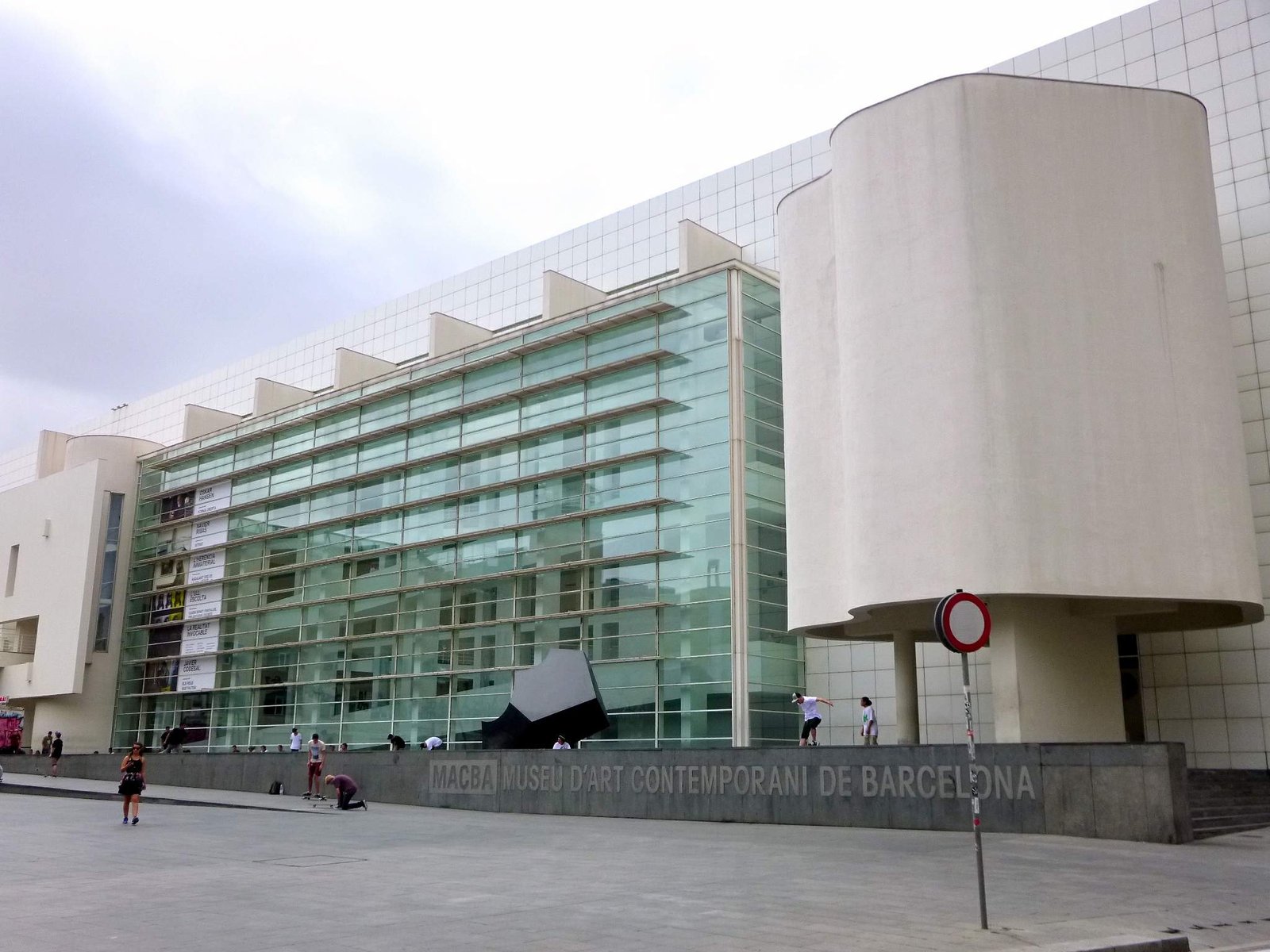
September 24 is also an excellent opportunity to explore some of Barcelona’s museums and cultural institutions, many of which traditionally offer free admission or open-door activities during the festival.
This is a great option if you want to combine La Mercè with Barcelona’s history, art and architecture.
And there’s a practical advantage: if you’ve had enough of the crowds and noise outside, spending part of the day inside a museum can give you a welcome break.
We’ll be publishing a dedicated guide with the museums and cultural spaces participating in the 2026 open-door program.
→ Coming soon: La Mercè 2026 Free Museums & Open Doors
Where Does La Mercè Take Place?
One of the most important things to understand about La Mercè is that there isn’t one single festival location.
Barcelona itself is the venue.
Events take place throughout the city, and in 2026 the festival is expanding to all ten districts for the first time. That means you don’t have to spend your entire visit around Plaça Catalunya or the Gothic Quarter.
Here are some of the areas worth knowing.
- Plaça Sant Jaume and the Gothic Quarter – his is the historic heart of La Mercè.
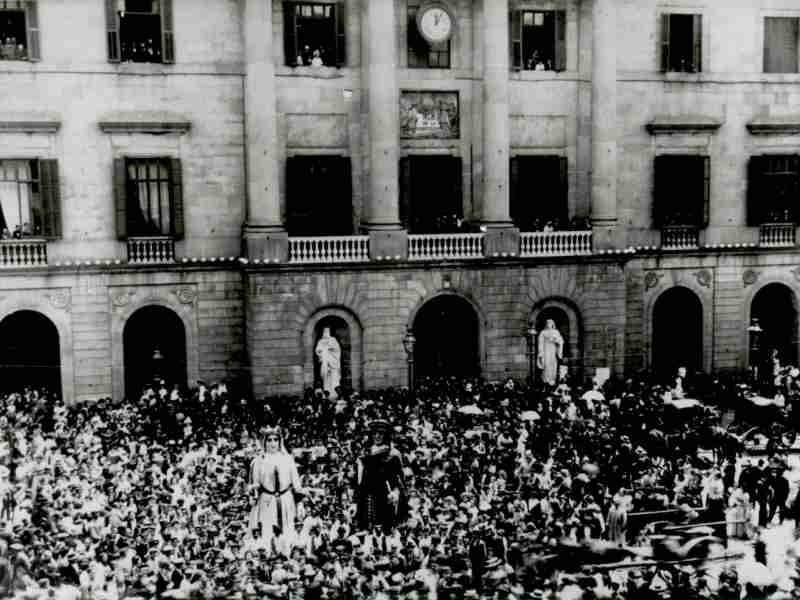
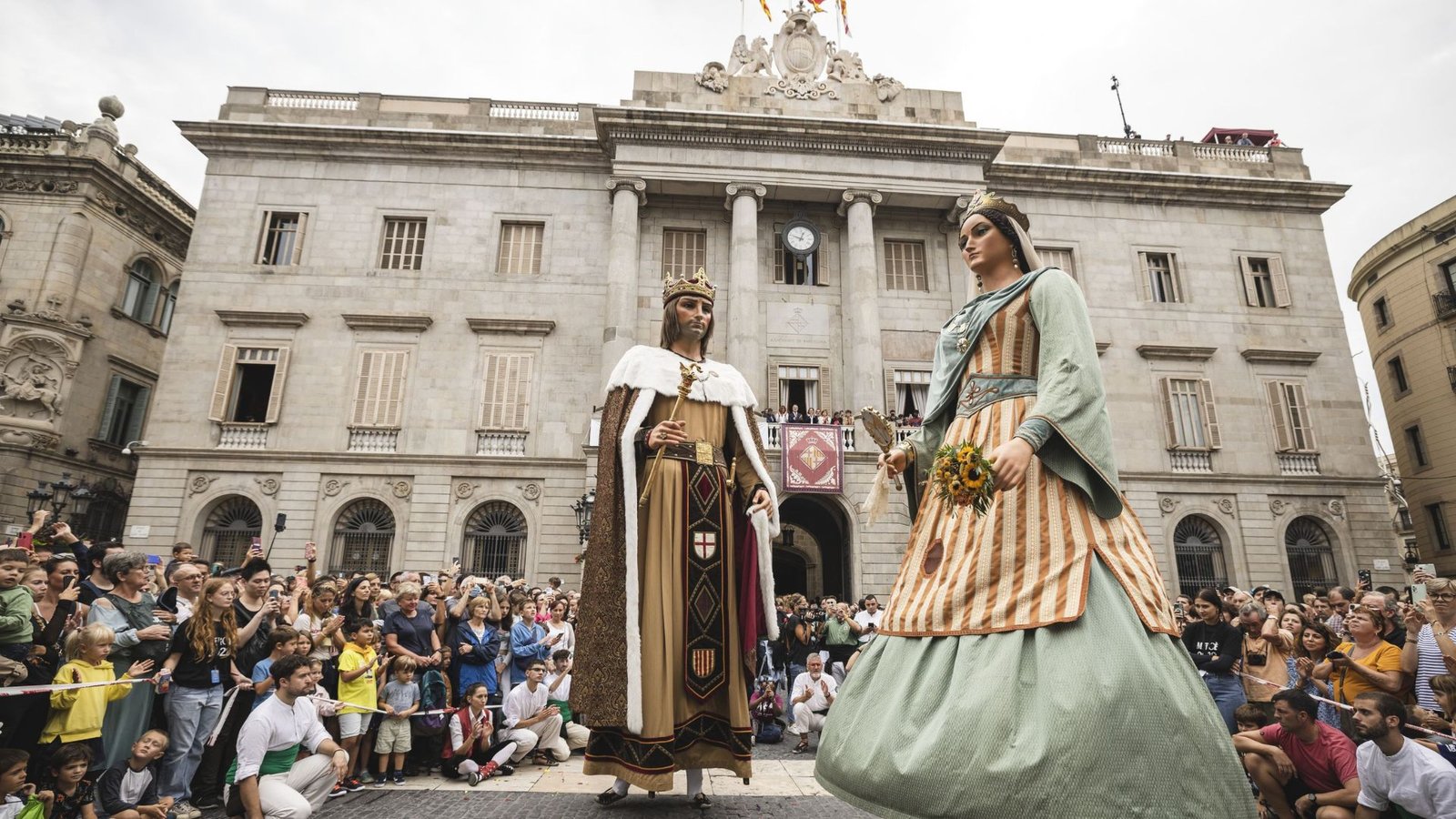
Located between Barcelona’s City Hall and the Palau de la Generalitat, Plaça Sant Jaume is one of the most atmospheric places to experience traditional Catalan celebrations.
Depending on the day and schedule, you may encounter castellers, giants, traditional processions and other elements of Catalan popular culture.
The surrounding Gothic Quarter adds another layer to the experience. Narrow medieval streets, historic buildings and centuries-old squares provide an extraordinary backdrop for the festival.
Our tip: This is one of the places where arriving early really pays off. - Parc de la Ciutadella
Parc de la Ciutadella has traditionally been one of the main gathering points during La Mercè. Its large open spaces make it particularly suitable for families and outdoor performances. It’s also close to the Arc de Triomf and Born neighborhood, making it easy to combine festival activities with sightseeing. - Parc de l’Estació del Nord
This park has become an important location for Mercè Arts de Carrer. Its large open-air spaces allow performances to take place away from the busiest historic center, and it is conveniently located within walking distance of the Arc de Triomf area. - Parc del Fòrum
In 2026, the festival’s expansion toward the waterfront is particularly interesting.
Shanghai, this year’s guest city, will bring elements of its traditional culture to the Fòrum, including its spectacular articulated dragons and other colorful performances.
If you want to see something different from the traditional Barcelona program, this is one area worth adding to your itinerary. - Plaça de les Glòries – Glòries is one of the most important new additions for La Mercè 2026.
The square will become a new festival stage as Barcelona continues transforming this formerly traffic-dominated area into a major public space.
For returning visitors, this is a particularly interesting part of the 2026 festival because it shows a different side of Barcelona—one that combines contemporary urban development with the city’s traditional celebrations. - Bogatell Beach – For 2026, the Barcelona waterfront takes on an even more important role..
The Piromusical, the spectacular closing event of La Mercè, will take place at Bogatell Beach on Sunday, September 27 at 10:00 p.m.
The change is due to construction works at the Fira de Montjuïc.
This means that the traditional combination of music, fireworks and visual effects will have the Mediterranean as its backdrop. It will also make this year’s finale feel very different from previous editions.
Important: Expect large crowds around the beach and waterfront. If you want to see the show from a good position, don’t wait until the last minute to arrive.
La Mercè 2026 for Families
If you’re visiting Barcelona with children, La Mercè can be one of the most memorable experiences of your trip. The festival offers plenty of activities aimed at younger visitors, from giants and traditional parades to circus, street theater and the children’s Correfoc.
The Correfoc Infantil, scheduled for Saturday afternoon, offers families an opportunity to experience the tradition in a version specifically adapted for children.
A few things to keep in mind
La Mercè can be loud and crowded. For younger children, we recommend:
- Choose daytime activities whenever possible.
- Arrive early for popular performances.
- Keep an eye on children in crowded squares.
- Avoid standing directly beside the fireworks during the Correfoc if your children are sensitive to noise.
- Consider a stroller only for younger children; navigating dense crowds with one can be difficult.
- Plan a break during the afternoon rather than trying to attend events continuously.
And remember that you don’t have to see everything.
One or two well-chosen experiences can be much more enjoyable than trying to follow the entire program.
A Better Way to Experience La Mercè
There is one mistake we see visitors make during major Barcelona festivals:
They try to turn the entire experience into a checklist.
Five events. Three neighborhoods. Two museums. A concert. Fireworks.
And suddenly they’re exhausted.
La Mercè is much more enjoyable when you leave some room for spontaneity. Walk through the Gothic Quarter and follow the sound of drums. Stop when you see a crowd gathering around a performance. Watch a group of castellers prepare before their tower begins. Listen to a cobla playing Sardanes in a square. Let the giants pass by. These spontaneous moments are often the memories you’ll take home.
And that’s one of the reasons we recommend experiencing La Mercè as a local would—not simply following a list of attractions.
Is It Worth Visiting Barcelona During La Mercè?
Absolutely. If you want to understand the essence of Barcelona, La Mercè is the moment. It’s where history meets celebration, where tradition meets spontaneity, and where locals and visitors come together to share joy.
But let’s be honest—it gets crowded. And not everyone enjoys being part of a big, bustling crowd.
Here’s the good news: even if you’re visiting during La Mercè but prefer a calmer, more curated experience, Barcelona offers so much more beyond the noise and lights.
That’s why we specialize in private, customized tours—tailored to your interests, your pace, and your travel style. Whether you’re fascinated by art, history, architecture, local markets, wine, or off-the-beaten-path gems, we’ll help you design an unforgettable journey through Catalonia, with or without the big crowds.
So yes—come for La Mercè, or simply come during La Mercè. Either way, with the right guidance, you’ll have a magical time.
Come for the party. Stay for the soul. Let us take care of the rest.
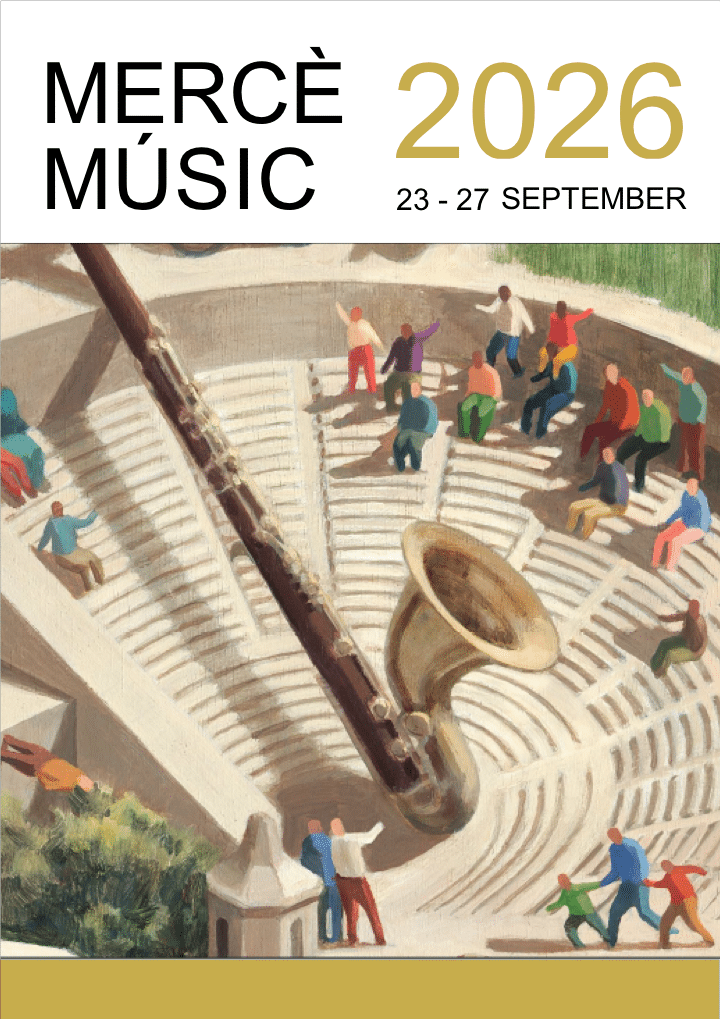
Download the La Mercè 2026 Music Programme in English (PDF)
Planning your visit to La Mercè? The official Música Mercè 2026 programme, published by the Barcelona City Council, is available in Catalan only.
To make the programme accessible to our international readers, we’ve translated the complete official programme into English, including all the concerts, dates, times, venues and artists — so you can plan your festival experience and not miss a thing.