


Architecture, Gaudí and a once-in-a-lifetime year
Why 2026 is not just another year
2026 will be a defining year for Barcelona.
Not because of a single event, but because two exceptional milestones will converge — a coincidence that will only happen once.
On the one hand, Barcelona has been officially designated World Capital of Architecture 2026 by UNESCO–UIA, placing the city at the centre of the global architectural conversation. On the other, Barcelona will commemorate the centenary of the death of Antoni Gaudí (1926–2026), the architect who shaped the city’s identity and transformed the language of architecture worldwide.
Rarely does history align so precisely.
This is what makes What’s on in Barcelona 2026 a question truly worth paying attention to.
In 2026, Barcelona will not only look back at its architectural past, but also reflect on its present and project its future — with Gaudí as both origin and reference point, and the world watching.
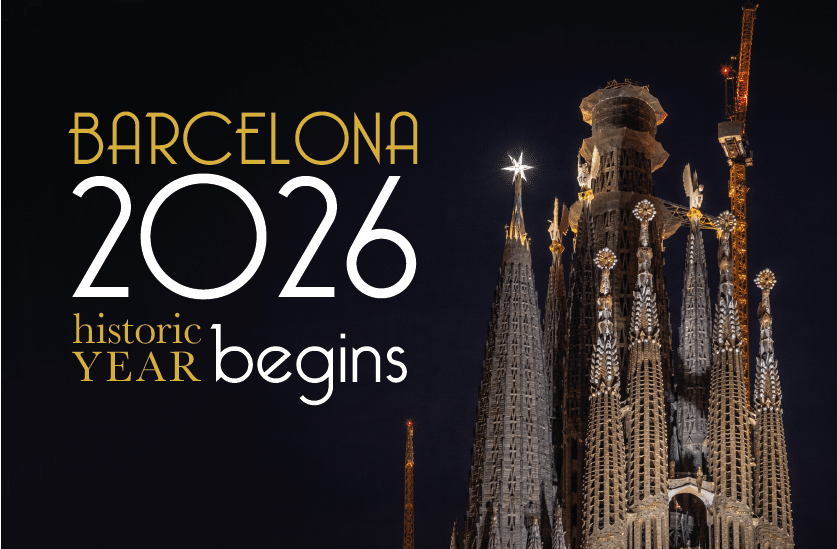
Barcelona 2026 — Official context and scale
Barcelona’s designation as World Capital of Architecture 2026 is an official recognition granted by UNESCO and the International Union of Architects (UIA). From February to December 2026, the city will host an unprecedented architectural programme involving:
- More than 1,500 activities
- Over 200 cultural and educational projects
- Events spread across all districts of the city
- An international focus culminating in the UIA World Congress of Architects (June–July 2026)
At the same time, the Año Gaudí 2026 has been officially recognised by public institutions in Catalonia and Spain as the centenary of Antoni Gaudí’s death, with a coordinated programme that brings together his buildings, hometowns and research institutions.
Together, these two frameworks place architecture — historical, contemporary and future — at the very heart of Barcelona 2026.
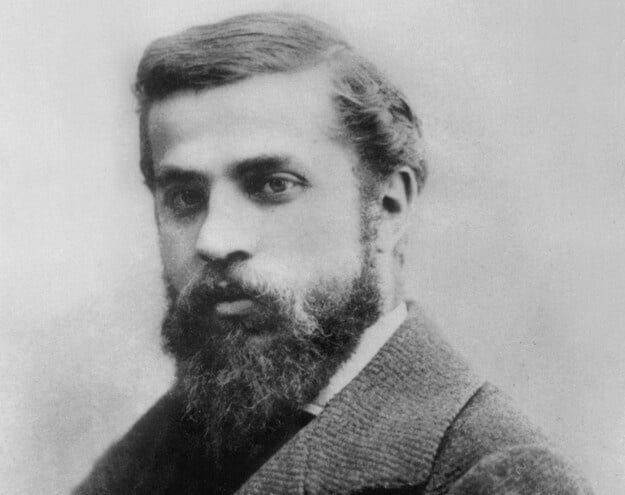
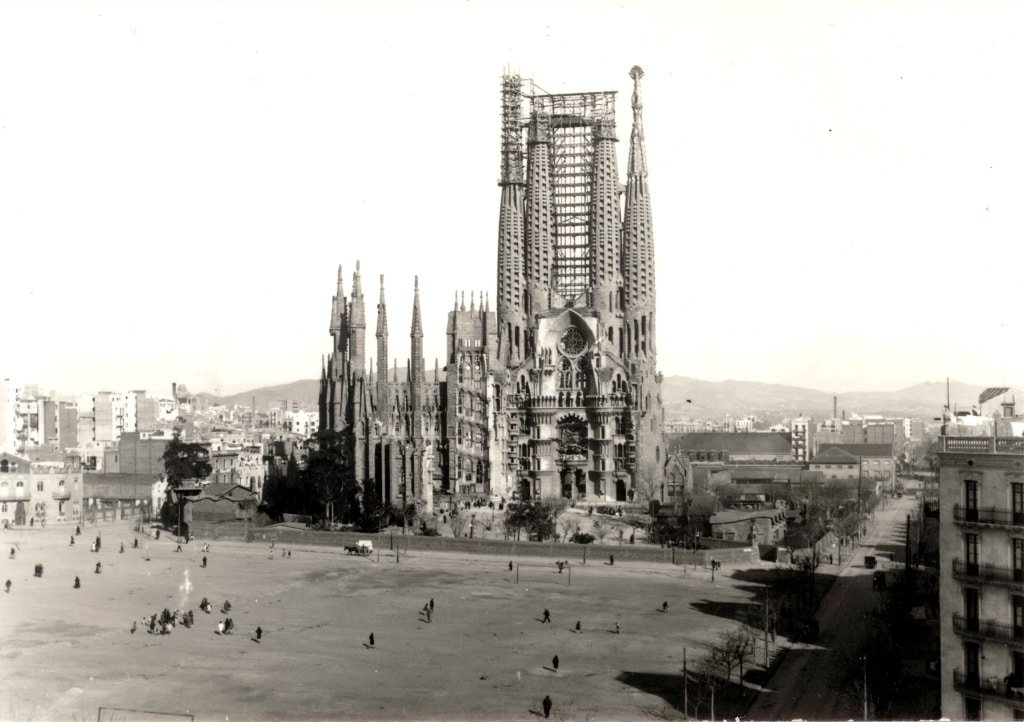
Gaudí 2026 — Centenary events and legacy in Barcelona
In 2026, Barcelona will mark 100 years since the death of Antoni Gaudí, an anniversary that goes far beyond commemoration.
Gaudí is not only Barcelona’s most recognisable architect; he is its deepest architectural language. His work reshaped construction techniques, redefined the relationship between structure and nature, and introduced a symbolic and spiritual dimension that continues to challenge architectural thinking today.
Gaudí 2026, officially recognised by public institutions, brings together exhibitions, academic initiatives, cultural programmes and commemorative events across Barcelona and beyond. From the Sagrada Família to Park Güell, from Casa Batlló to lesser-known works and sites linked to his life, the centenary offers a rare opportunity to understand Gaudí’s universe as a whole.
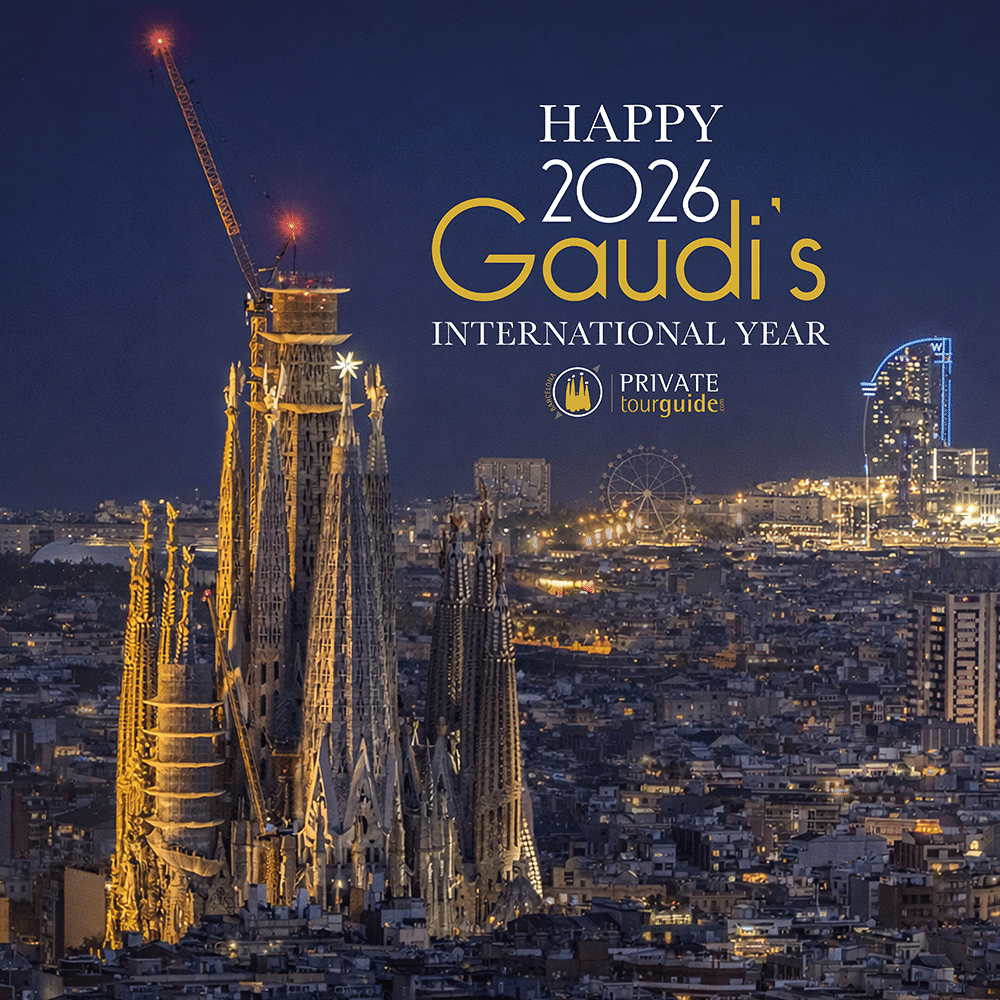
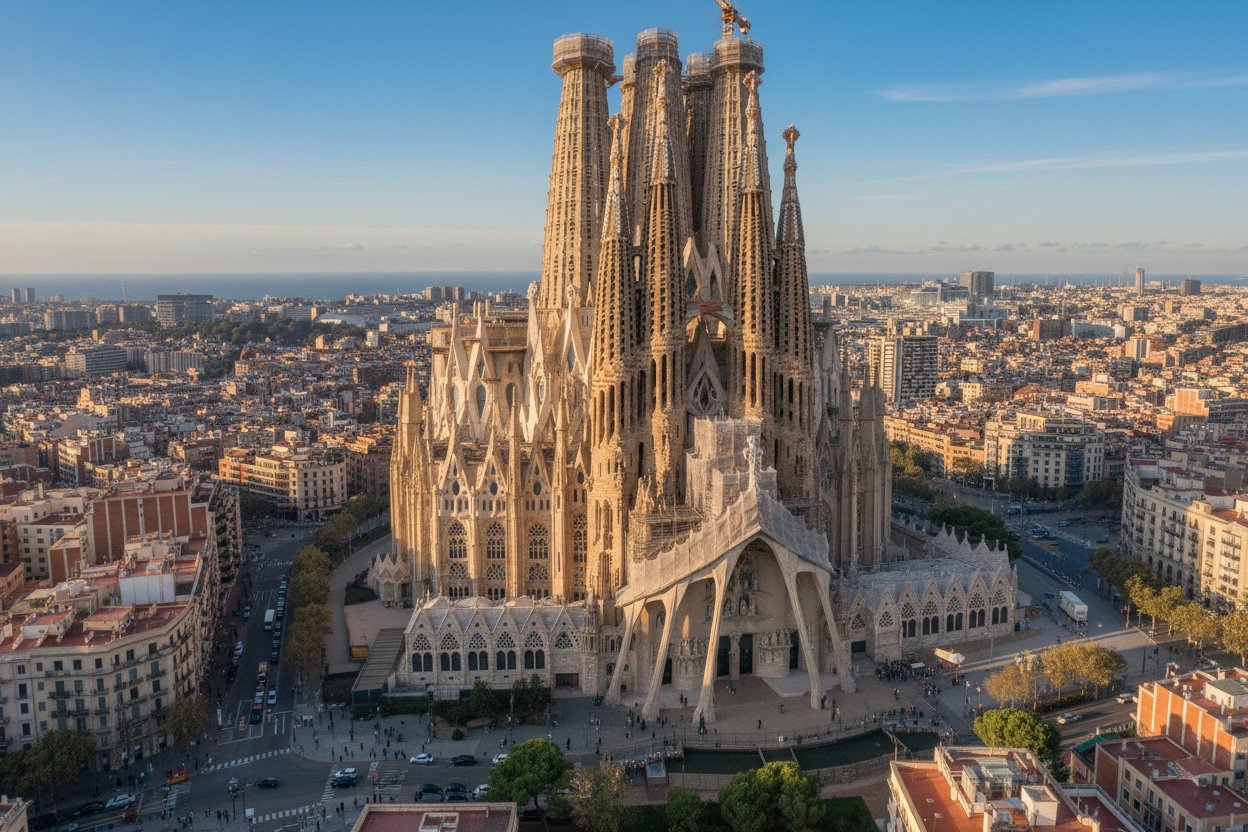
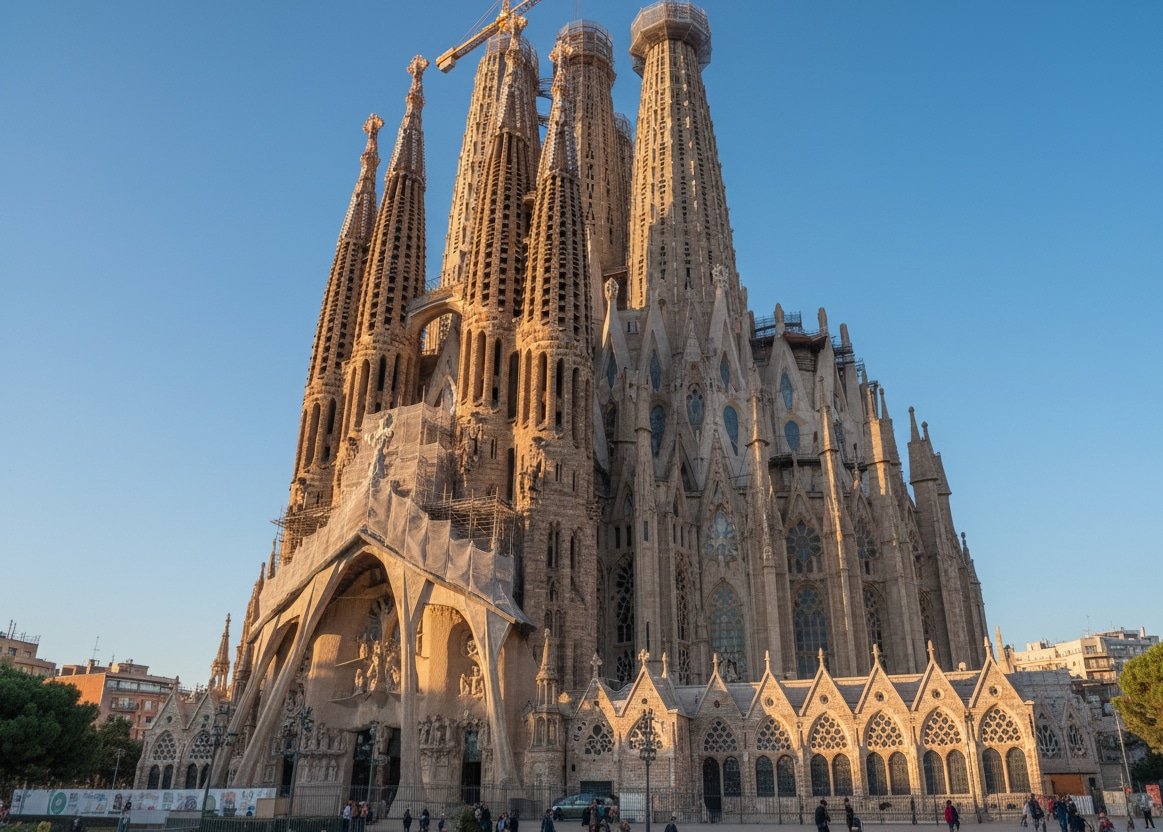
At the centre of the year stands the Sagrada Família. In Sagrada Família 2026, the basilica becomes more than a monument: it is a living architectural work, a place of reflection and a symbol of Gaudí’s enduring vision — still under construction more than a century after it was conceived.Gaudí 2026 is not about nostalgia.
It is about revisiting his ideas with contemporary eyes — his experimental methods, his structural genius and his profound connection to nature — and understanding why his work remains essential to architectural debates in the 21st century.
Barcelona World Capital of Architecture 2026 — The global framework
Barcelona’s role as World Capital of Architecture 2026 situates the city within a global conversation about architecture, urbanism and the future of cities.
Throughout the year, exhibitions, debates, conferences and public initiatives will explore how architecture shapes daily life, public space and social relationships. This designation is not about celebrating a single style or period, but about recognising Barcelona architecture in 2026 as a living ecosystem — where historical layers coexist with contemporary innovation.
Within this framework, Gaudí’s work gains renewed relevance. His ideas resonate strongly with today’s challenges: sustainability, structural efficiency, integration with nature and the search for meaning beyond form.
When Gaudí meets the global stage
The significance of 2026 lies not only in the coexistence of two major milestones, but in the way they reinforce each other.
As Barcelona becomes the World Capital of Architecture 2026, Gaudí’s work naturally moves to the foreground of the international conversation. His buildings are no longer approached solely as historical icons, but as active reference points for contemporary architectural thinking.
This dialogue is most evident at the Sagrada Família, simultaneously a 19th-century vision and a 21st-century construction site. It encapsulates the spirit of the year: architecture as something unfinished, evolving and deeply human.
In this context, Gaudí is not celebrated in isolation. He is positioned where he belongs — at the intersection of history, innovation and global relevance.s high and 13.5 meters wide, making it the defining feature of the tower and a visible symbol from across Barcelona.
A living calendar for Gaudí 2026
The following dates and events are presented as a guiding framework, designed to help understand how Gaudí 2026 and Barcelona 2026 will unfold throughout the year.
At this stage, not all exhibitions, programmes and schedules have been officially published in full detail. For this reason, the calendar below should be read as an evolving overview, highlighting the key moments and periods that will shape the year, rather than as a final or closed agenda.
As institutions progressively confirm dates, venues and timetables, this calendar will be expanded and updated, including a detailed events table and downloadable resources.
2026 calendar — Key dates and events in Barcelona
Rather than a single celebration, 2026 unfolds as a sequence of key moments shaping the cultural calendar of the year.
- February–December 2026
Barcelona World Capital of Architecture official programme (city-wide) - Spring 2026
Opening of major exhibitions and academic initiatives linked to Gaudí 2026 and architectural research - 10 June 2026
Centenary of the death of Antoni Gaudí — symbolic and commemorative peak - June 2026
Central institutional and cultural events around Gaudí’s legacy, particularly at the Sagrada Família - Late June–early July 2026
UIA World Congress of Architects, bringing the global architectural community to Barcelona - Autumn 2026
Urban debates, public programmes and future-oriented architectural discussions
These moments define the Barcelona events 2026 calendar as a continuous narrative — not as a collection of isolated dates, but as a year-long cultural journey.
Coming next: a complete Gaudí 2026 events guide
This overview is only the starting point.
As official programmes are released, we are working towards creating a comprehensive Gaudí 2026 events table, including:
- confirmed dates
- opening hours
- venues and locations
- type of event (exhibition, lecture, ceremony, public programme)
The goal is to provide a clear, practical reference for anyone planning to experience Gaudí 2026 with depth and context.
In addition, a downloadable PDF guide will be made available, designed for travellers, architecture lovers and cultural visitors who want to plan their time in Barcelona around the most relevant Gaudí-related events of the year.
Now available: the complete Gaudí Year 2026 events guide
This overview was just the starting point.
Our complete Gaudí Year 2026 events guide is now available, featuring the official calendar, key moments and confirmed events — including a downloadable PDF designed to help you plan your time in Barcelona with clarity and depth.
Explore the Gaudí Year 2026 calendar and download the PDF guide

Key places to experience Gaudí 2026
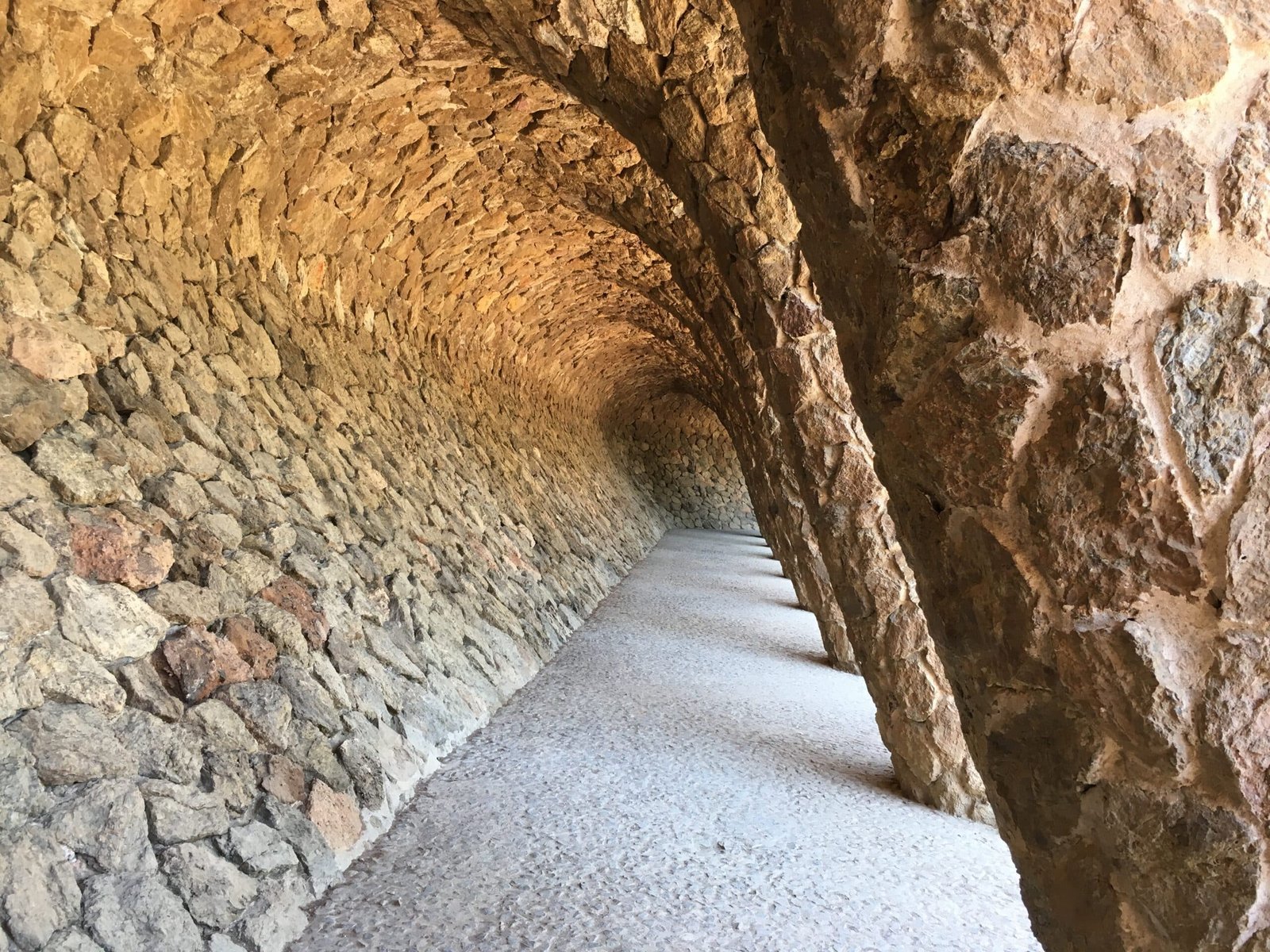
Several sites will play a central role throughout the year:
- Sagrada Família
- Park Güell
- Casa Batlló
- Casa Milà (La Pedrera)
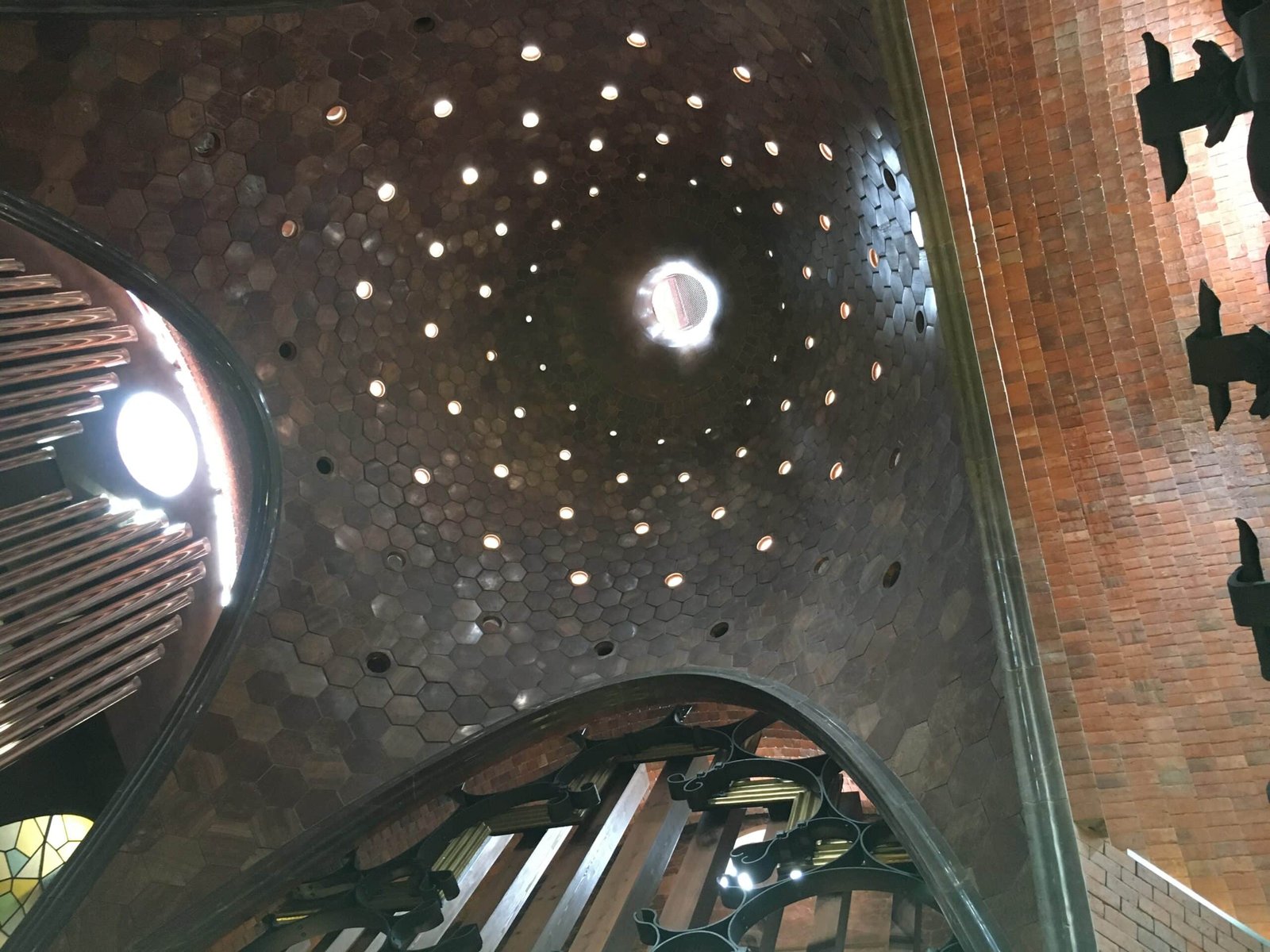
- Palau Güell
- Reus and Riudoms, linked to Gaudí’s origins
Together, they offer a city-wide and territorial perspective on Gaudí’s legacy.
Why this matters for visitors
For visitors, 2026 is not simply a year with more events — it is a year with more meaning.
For those searching for things to do in Barcelona 2026, the value lies in context: curated exhibitions, thematic routes and cultural programmes that connect Gaudí’s work to the city as a whole.
Visiting Barcelona in 2026 means experiencing architecture as a living conversation between past, present and future. It is a rare opportunity to move beyond iconic façades and engage with the ideas that shaped — and continue to shape — the city.
FAQs – Frequently Asked Questions — Barcelona 2026
What is Gaudí 2026?
Gaudí 2026 marks the 100th anniversary of the death of Antoni Gaudí, officially recognised by public institutions in Catalonia and Spain. Throughout the year, Barcelona and other Gaudí-linked locations will host exhibitions, cultural programmes, academic initiatives and commemorative events dedicated to his architectural legacy.
When is the Gaudí centenary in 2026?
The centenary of Antoni Gaudí’s death takes place on 10 June 2026, exactly one hundred years after he passed away in Barcelona in 1926. This date represents the symbolic and institutional peak of Gaudí 2026.
Why is 2026 such an important year for Gaudí?
2026 is significant because it marks a once-in-a-century milestone. Beyond remembrance, the year is designed to re-examine Gaudí’s ideas, construction methods and cultural impact through contemporary perspectives, positioning him as a central figure in modern architectural thought.
Will there be special events for Gaudí in 2026?
Yes. Gaudí 2026 includes a coordinated programme of exhibitions, public events, research initiatives and cultural activities across Barcelona, with a strong focus on Gaudí’s buildings and creative universe.
Will the Sagrada Família be completed in 2026?
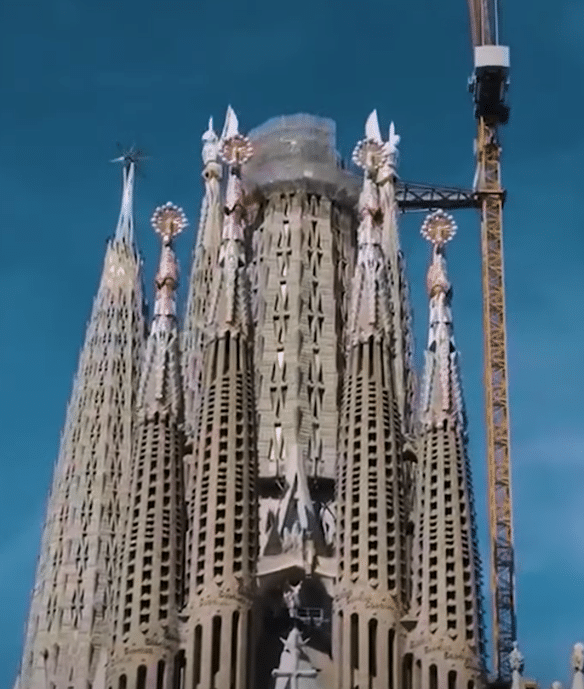
The Tower of Jesus Christ, the tallest element of the Sagrada Família, is expected to be completed around June 2026, aligning symbolically with Gaudí’s centenary. However, the full completion of the basilica may extend beyond that date, as some architectural elements are still pending.
Will the Sagrada Família play a special role in Gaudí 2026?
Yes. The Sagrada Família is the symbolic heart of Gaudí 2026. As Gaudí’s most ambitious and unfinished work, it will host key commemorative moments and serve as a central reference point throughout the year.
Will there be special religious or commemorative ceremonies for Gaudí in 2026?
Yes. The Sagrada Família has requested that the Pope preside over a special mass on 10 June 2026, coinciding with the centenary of Gaudí’s death. This reflects the spiritual dimension of Gaudí’s work and its significance within the basilica.
Can I experience Gaudí 2026 outside Barcelona?
Yes. While Barcelona is the epicentre, some commemorative initiatives will also take place in Reus and Riudoms, towns closely linked to Gaudí’s origins, offering a broader geographical perspective on his life and legacy.
Why is 2026 such an important year for Barcelona?
Because it combines the centenary of Antoni Gaudí’s death with Barcelona’s designation as World Capital of Architecture, placing architecture at the centre of the city’s cultural life.
What is the World Capital of Architecture 2026?
The World Capital of Architecture 2026 is an official designation awarded to Barcelona by UNESCO and the International Union of Architects (UIA). It establishes the city as a global forum for architecture and urbanism throughout 2026.
Why was Barcelona chosen as World Capital of Architecture for 2026?
Barcelona was selected for its architectural heritage, innovative urban planning and long-standing contribution to architectural culture, from historic figures such as Gaudí to contemporary practices shaping the city today.
How does Gaudí 2026 relate to Barcelona World Capital of Architecture 2026?
Gaudí 2026 and Barcelona World Capital of Architecture 2026 are separate initiatives that coincide in time. Gaudí represents the historical and symbolic axis, while the World Capital of Architecture provides an international framework for architectural debate, placing Gaudí’s legacy in a global contemporary context.
Will the UIA World Congress of Architects take place in Barcelona in 2026?
Yes. Barcelona will host the UIA World Congress of Architects from 28 June to 2 July 2026, bringing together architects, urban planners and institutions from around the world.
Are the architecture events in 2026 only for professionals?
No. While some events are aimed at professionals, Barcelona 2026 is designed for the general public, with exhibitions, routes and activities accessible to visitors, residents and architecture enthusiasts of all backgrounds.
Is 2026 a good year to visit Barcelona if I’m interested in Gaudí?
Absolutely. 2026 offers an unparalleled opportunity to experience Gaudí’s work with added historical, cultural and institutional context — something that happens only once in a lifetime.
Looking ahead — Barcelona 2026
2026 is not a year to discover Barcelona by chance.
It is a year that rewards preparation, curiosity and attention to detail. Over the coming months, we will explore key dates, architectural routes and cultural moments that define Barcelona 2026 — from Gaudí’s most iconic works to contemporary perspectives shaping the city today.
If there is one thing to remember, it is this: 2026 offers a rare opportunity to experience Barcelona with context.
This is where the story of Barcelona 2026 begins.
Continue Reading
Ahead of Gaudí 2026, the Sagrada Família has reached a historic milestone. Discover why the Tower of Jesus Christ becoming Barcelona’s tallest building is such a significant moment in the story of Gaudí’s unfinished masterpiece.
Sagrada Família’s Jesus Tower Becomes Barcelona’s Tallest Building